Data Breach Update
Legal Aid Records Reach Back to 1978
By Nattapong Sukkasem · Published · Updated .
TL;DR — On 14 October 2026 the UK Ministry of Justice published the results of eighteen months of forensic work on the Legal Aid Agency intrusion. Most stolen material covers applications, claims and payments from January 2007 to 16 May 2025 — but roughly 250,000 records predate 2007, and the earliest verified record is from 1978. The attacker's first known entry was 31 December 2024, almost four months before detection. No CVE, no zero-day vulnerability and no indicators of compromise have been published. The interesting part of this data breach update is not the break-in — it is that answering what did they take took eighteen months.
This data breach update concerns no new intrusion. The Legal Aid Agency (LAA) was breached in April 2025; what landed this week is the answer to the first question any breach raises, and the answer took eighteen months to produce. The agency has now established the date range of the exfiltrated data, and it runs back to 1978 — roughly 250,000 records older than the system boundary everyone assumed applied. For anyone running server infrastructure with a long institutional memory, that delay is the part worth studying.
What the October update actually says
| Item | Detail |
|---|---|
| Update published | 14 October 2026 on gov.uk; first reported 15 October 2026 |
| Incident | Unauthorised access to LAA online digital services, discovered 23 April 2025 |
| First known entry | 31 December 2024 — LAA chief executive Jane Harbottle, in evidence to the Public Accounts Committee |
| Full scope established | 16 May 2025; servers taken offline the same day |
| Main dataset | Applications, claims and payments submitted between January 2007 and 16 May 2025, or cases live in that period |
| Older records | About 250,000 predate 2007, mostly from the 1990s and 2000s; a very small number predate 1990; earliest verified record 1978 |
| Probation data | HMPPS names, dates of birth, nationalities and case reference numbers for offenders managed 2010–2017; over 99% from 2016–2017; no crime victims |
| Provider data | Contracts, office locations, payment details, bank account names, numbers and sort codes, LAA Online Portal usernames and email addresses, CCMS and MAAT correspondence |
| Applicant data | Contact details and addresses, dates of birth, national ID numbers, criminal history, employment status and financial data |
| Systems affected | Controlled Work Administration, Crime Apply, Secure File Exchange and CCMS; CCMS restored in phases from October 2025 |
| Attribution | ShinyHunters claimed responsibility; the government says the claims could not be verified. No indicators of compromise published |
| Status | As of 14 October 2026, no indication the data has been published or shared |
One qualifier from the agency deserves repeating at its stated strength: officials say no complete legal aid case record was exfiltrated in full, and that a record existing for a given period does not mean a particular person's data was stolen. The counts in this data breach update describe the haul, not a confirmed victim list.

Four months inside, after fifty million pounds
The timeline is the uncomfortable part. The attacker's first known entry was 31 December 2024. Detection came on 23 April 2025 — roughly sixteen weeks of undisturbed access to a system holding criminal histories and bank details. Scoping took another three weeks; the servers did not come down until 16 May, with senior LAA and Ministry of Justice staff meeting daily to weigh access to justice against the risk of leaving the service running.
This was not an unfunded estate. Officials told the Public Accounts Committee that £50m had gone into LAA cybersecurity before the attack, in rounds of £8.5m, £10.5m and £32m, and that part of the £10.5m round paid for the threat detection system that eventually caught the intruder. The agency's shortcomings had sat on the departmental risk register since 2021, rated extremely high. Much of the money bought mitigations rather than replacements — the familiar compromise: the control that detects gets funded, the platform underneath it does not.
So detection worked, late. Containment and scoping are where the time went, and the agency has been explicit about why: large volumes of unstructured, fragmented or incomplete data. Every IT security team should read that as a warning about its own estate.
Why this data breach update took eighteen months
You cannot describe what left if you cannot describe what you hold. Eighteen months of analysis is the bill for an estate without a map: archived exports, inherited datasets, a file-exchange host nobody has owned since a reorganisation. None of it sits in a modern asset register, and all of it is in scope the moment someone gets in.
There is one inventory, though, that almost every organisation maintains by accident and never prunes: its DNS zone. Hostnames outlive the teams that created them. The A record for a retired portal, a CNAME pointing at a file transfer appliance, an MX record for a mailbox that still accepts mail — these outlast the change ticket by years, and an attacker reads them before you do. When a remediation note says higher-risk technology has been retired or isolated, the practical test is blunt: does the name still resolve, and does something still answer on the other end?
That makes a zone audit one of the cheapest scoping exercises available. Walk every record you publish, resolve it, and ask who owns what answers. Anything resolving to an address nobody can account for is either a decommissioning that never finished or a cloud security problem in waiting — a dangling record pointing at a deprovisioned bucket someone else can claim. A plain DNS record lookup across your published names is slower than it sounds, and far faster than eighteen months of archaeology.

The second breach is the phishing wave
Look again at the provider dataset: contracts, payment details, bank account names, numbers and sort codes, portal usernames and email addresses. That is not a privacy footnote, it is an invoice-fraud kit for several thousand small law firms, with the correspondence to make the approach plausible. No zero-day vulnerability is required to defraud a practice whose sort code and case references are already in the attacker's spreadsheet.
The defence is published in DNS. SPF, DKIM and DMARC decide whether a message spoofing a legal aid provider is delivered or rejected, and many small firms still run DMARC at p=none, collecting reports nobody reads. Checking those records with an email DNS record checker takes a minute and closes the easiest route into the follow-on fraud.
Six things worth doing this week
- Date your data, not just your systems. Record the oldest row in every store you run, not the oldest server. The LAA's 1978 record will have lived in a migrated archive, not a 1978 machine.
- Measure dwell time, not detection. Sixteen weeks is the metric that matters. A platform that fires in April on an intrusion that began on New Year's Eve has answered the wrong question well.
- Audit what still resolves. Walk your zone, resolve every published name, and account for every answer. Dangling records and forgotten subdomains are the externally visible half of your legacy estate.
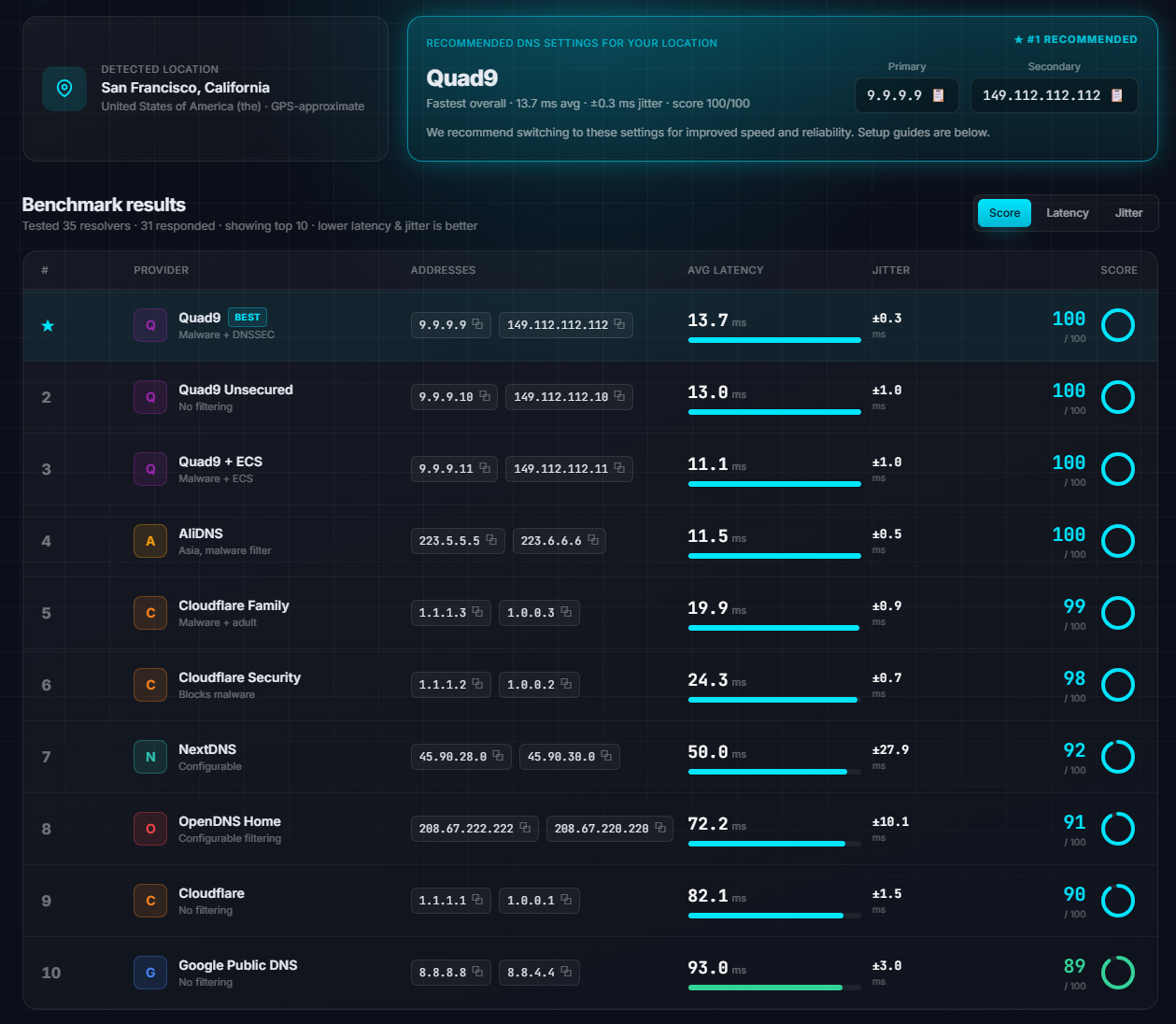
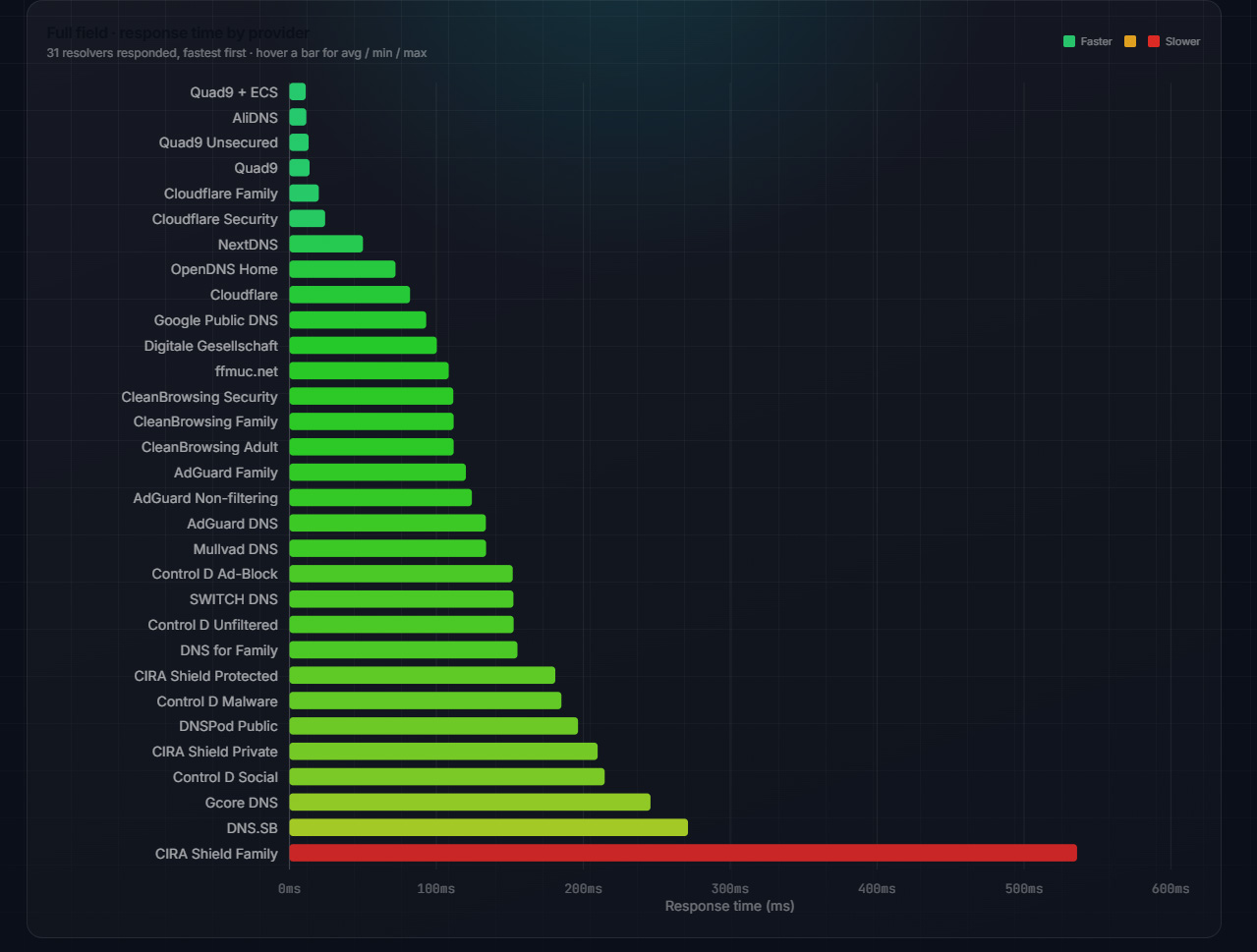
- Log the resolver. Four months of exfiltration is four months of name resolution. Protective DNS and query logging help only if the queries cross a resolver you own — send DNS over HTTPS to someone else's service and that record does not exist.
- Publish and enforce email authentication. SPF, DKIM and a DMARC policy that actually rejects. The fraud that follows a provider-data leak arrives by email, not by exploit.
- Rehearse the offline decision. The LAA spent three weeks deciding whether to pull servers the public depended on. Set the threshold in advance, in writing, with the service owner in the room.
Industry impact
Quiet theft is the hard case. A DDoS attack announces itself; a network outage generates tickets within minutes. Four months of patient collection from a case management platform generates nothing, which is why the April detection felt like a success and the May re-scoping felt like a shock. Organisations tune for the incidents that interrupt them and stay blind to the ones that do not.
The second lesson is about retention. Every record kept past its usefulness compounds silently as a liability, and public bodies are structurally bad at deletion — there is always a statutory reason to keep one more year. The Pentagon exposure we covered earlier this month had the same shape: an old store, a long tail, a scope nobody could state quickly. A 1978 record in a 2025 breach is a retention decision made by nobody in particular, forty-seven years ago.
Finally, the governance point. The LAA knew. It was on the risk register in 2021, rated extremely high, and £50m followed. The money bought detection and mitigation around a platform that still needed replacing — the standard outcome when funding arrives annually and modernisation takes five years. That is not a UK public-sector peculiarity — it is the operating condition of most enterprise estates, and this data breach update is a reasonably priced lesson in what it eventually costs.
Sources
- GOV.UK — Legal Aid Agency data breach
- DataBreaches.net — Legal Aid Agency cyberattack: compromised data goes back to 1978
- GBHackers — Hackers steal UK legal aid records dating back to 1978
- CyPro — Legal Aid Agency cyberattack reaches back to 1978
- The Register — Ministry of Justice spent £50M on security and still missed the Legal Aid Agency attack
Related articles
- Oracle HTTP Server CVE-2026-21962 Exploited: CVSS 10.0
- GitLab CVE-2026-85706: CVSS 10 Flaw Leaks CI/CD Secrets
- Microsoft Titan Auth Flaw, 17T Rows
DNS angle
Review resolver logs for the systems discussed above and compare unexpected names with your approved services. A successful lookup does not establish that a destination is safe. Use the DNS lookup tool to inspect current answers, then compare them with your own resolver and incident records.
Source: GOV.UK — Legal Aid Agency data breach ().