Data Breach Update
GitLab CVE-2026-85706: CVSS 10 Flaw Leaks CI/CD Secrets
By Nattapong Sukkasem · Published · Updated .
TL;DR — GitLab shipped patch releases 19.3.2, 19.2.6 and 19.1.8 on 11 September closing CVE-2026-85706, a CVSS 10.0 path traversal flaw in the repository commits API. An unauthenticated attacker can read arbitrary files from a self-managed GitLab server — logs, configuration, credentials, CI/CD secrets. The only precondition is that the instance hosts at least one public project. watchTowr observed in-the-wild probing from 06:00 UTC on 11 September, within hours of disclosure. A second critical bug, CVE-2026-87719 (CVSS 9.9), an insecure deserialization issue in GitLab EE reachable through Duo Chat, was fixed in the same releases. Patch, then hunt your logs for POST requests to /api/v4/projects/{id}/repository/commits/ carrying a file.Path parameter.
This data breach update concerns a vulnerability that steals nothing by itself. CVE-2026-85706 does not execute code, does not escalate privileges and does not deploy ransomware. It reads files. That is enough, because of what lives in the files on a GitLab server: deploy keys, registry tokens, database passwords, cloud provider credentials, and the CI/CD variables that every pipeline in the organisation trusts implicitly.
What CVE-2026-85706 actually does
GitLab describes the root cause as “improper path confinement and missing authentication enforcement in the repository commits API.” Two failures, stacked. The path confinement failure means a supplied file path is not properly constrained to the repository it is supposed to address. The authentication failure means the request never needed a valid session in the first place.
The affected endpoint is the repository commits API. watchTowr, which reproduced the issue, reports the exploitation signature as an HTTP POST to /api/v4/projects/{id}/repository/commits/ containing a file.Path parameter. Jake Knott, head of threat intelligence at watchTowr, summarised the precondition bluntly: at least one public project must exist on the instance. On a typical self-managed GitLab deployment, that is not a constraint — it is the default state.
| Identifier | Class | Impact |
|---|---|---|
| CVE-2026-85706 (CVSS 10.0) | Path traversal, missing authentication | Unauthenticated arbitrary file read from the GitLab server: logs, configuration, credentials, CI/CD secrets. |
| CVE-2026-87719 (CVSS 9.9) | Insecure deserialization (GitLab EE) | Authenticated Duo Chat user retrieves Advanced Search instance configuration and credentials via a crafted GraphQL subscription argument. |
Affected versions
- All versions from 18.7 before 19.1.8
- All versions from 19.2 before 19.2.6
- All versions from 19.3 before 19.3.2
Community Edition and Enterprise Edition are both in scope for the file-read flaw. CVE-2026-87719 is EE-only and requires an authenticated user with Duo Chat access, which makes it the lesser of the two — but it lands in the same patch set, so there is no reason to treat them separately.
Hours, not weeks: the disclosure-to-probe window
The detail that should reshape patch planning — and the reason this qualifies as a data breach update rather than a routine advisory — is the timing. watchTowr logged in-the-wild probes beginning at 06:00 UTC on 11 September 2026, the same day the advisory went public. That is not a compressed window. That is effectively no window at all.
It is also the second maximum-or-near-maximum severity GitLab flaw in weeks. CVE-2026-19478, a GraphQL code injection issue, followed the same pattern in August: disclosed, then almost immediately exploited. Two data points make a trend, and the trend is that GitLab advisories are now read by attackers as fast as by administrators.
Knott’s assessment is that the move from targeted probing to indiscriminate mass exploitation is “likely not far away.” For anyone running an internet-facing self-managed instance, the practical reading of that sentence is that the patch window closed before the weekend started.
Why a read-only bug is a supply chain problem
Security teams triage by impact verb, which is why a flaw like this one is usually filed under patch management rather than data breach update. “Read” ranks below “execute.” That instinct is wrong here, and understanding why is the difference between patching on Monday and patching now.
A GitLab server is a credential concentrator. It holds the tokens its pipelines use to push container images, sign artefacts, authenticate to cloud APIs, and deploy to production. An attacker who can read arbitrary files does not need code execution on GitLab, because the files hand over code execution somewhere more valuable — the build runner, the registry, the production account.
Four consequences follow for any server infrastructure estate running self-managed GitLab.
- Credentials become the payload. GitLab-specific configuration files and application logs are exactly where secrets accumulate. Rotating them after the fact is the only remedy, and it is a much larger job than applying a patch.
- Build pipelines are downstream of the read. With CI/CD variables in hand, an attacker can inject code into builds and poison every artefact those builds produce. This is the pattern that has driven a year of software supply chain incidents, and it is a cloud security exposure as much as an application one.
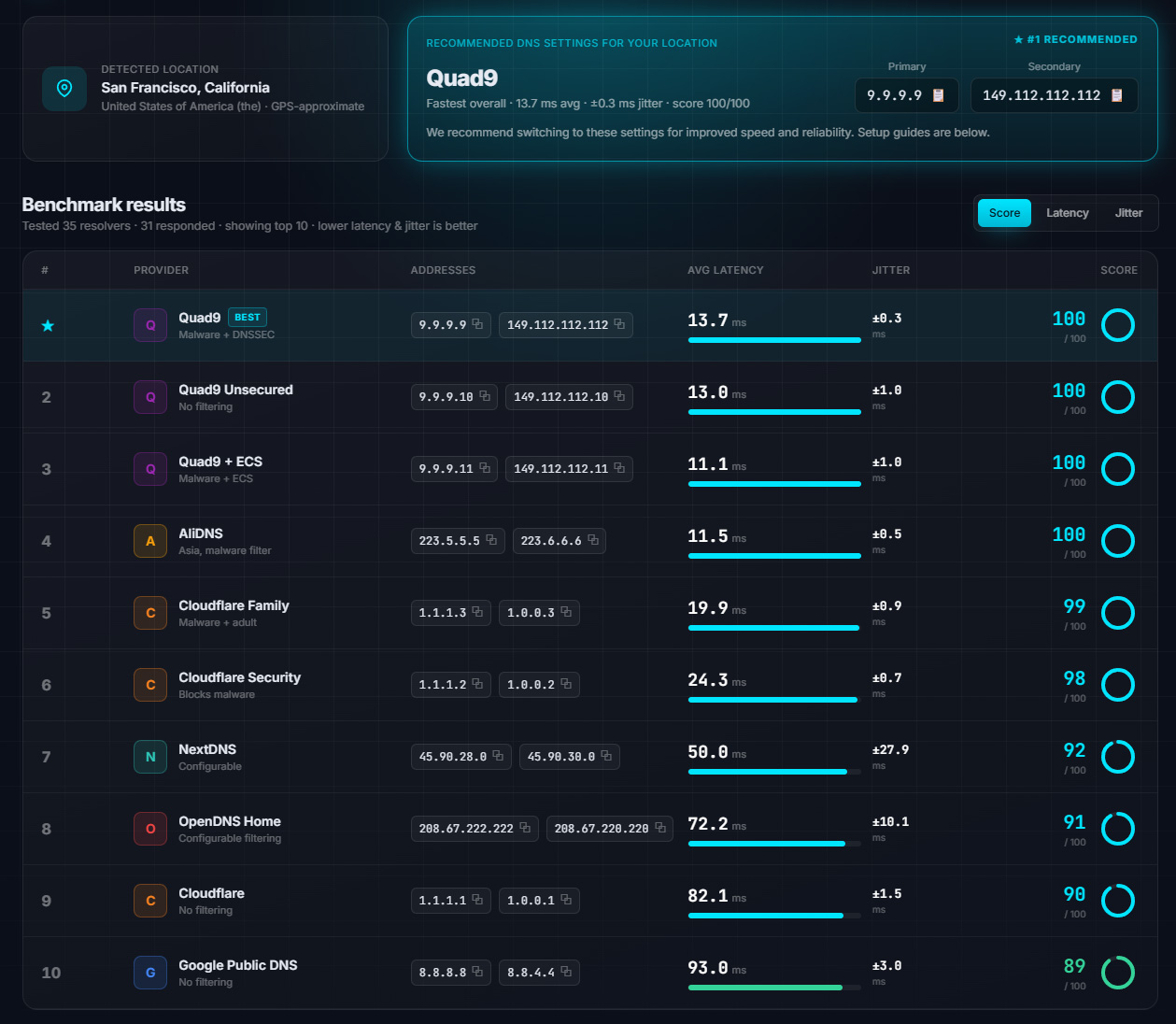
- The resolution path is in reach. Registry endpoints, package mirrors and internal service names are all resolved by name at build time. Stolen configuration reveals that map; stolen credentials make redirecting it a configuration change rather than an exploit. That turns a source-control bug into a DNS security question.
- Detection is thin. A file read leaves an HTTP request and little else. There is no dropped binary, no new process, no ransom note. Teams that only alert on execution will see nothing at all.
The containment posture is the familiar one, and it is unglamorous. Self-managed GitLab should not be internet-reachable unless there is a specific reason. Where it must be, it belongs behind an authenticating proxy. Runner networks should resolve through a pinned, authenticated resolver — endpoints using DNS over HTTPS at least validate resolver identity through TLS rather than trusting whatever the network advertises. That is containment, not a substitute for the patch.
What to do this weekend
- Patch to 19.3.2, 19.2.6 or 19.1.8. Both critical flaws are closed in the same releases. GitLab.com SaaS is already on a patched version; this is a self-managed problem.
- Hunt before you assume you are clear. Review web and application logs for
POSTrequests to/api/v4/projects/{id}/repository/commits/URIs containing afile.Pathparameter. Go back further than the disclosure date — probing is what was observed, not necessarily when exploitation began. - Rotate on evidence of access, not on proof of theft. This is the step that turns a patch note into a data breach update for your own estate. If a matching request succeeded, treat every CI/CD variable, deploy key, registry token and cloud credential that instance could read as exposed. A file-read bug leaves no trace of what was taken.
- Cut the exposure. Confirm which GitLab instances answer from the public internet and whether they need to. Instances with no public projects are outside the stated precondition for CVE-2026-85706.
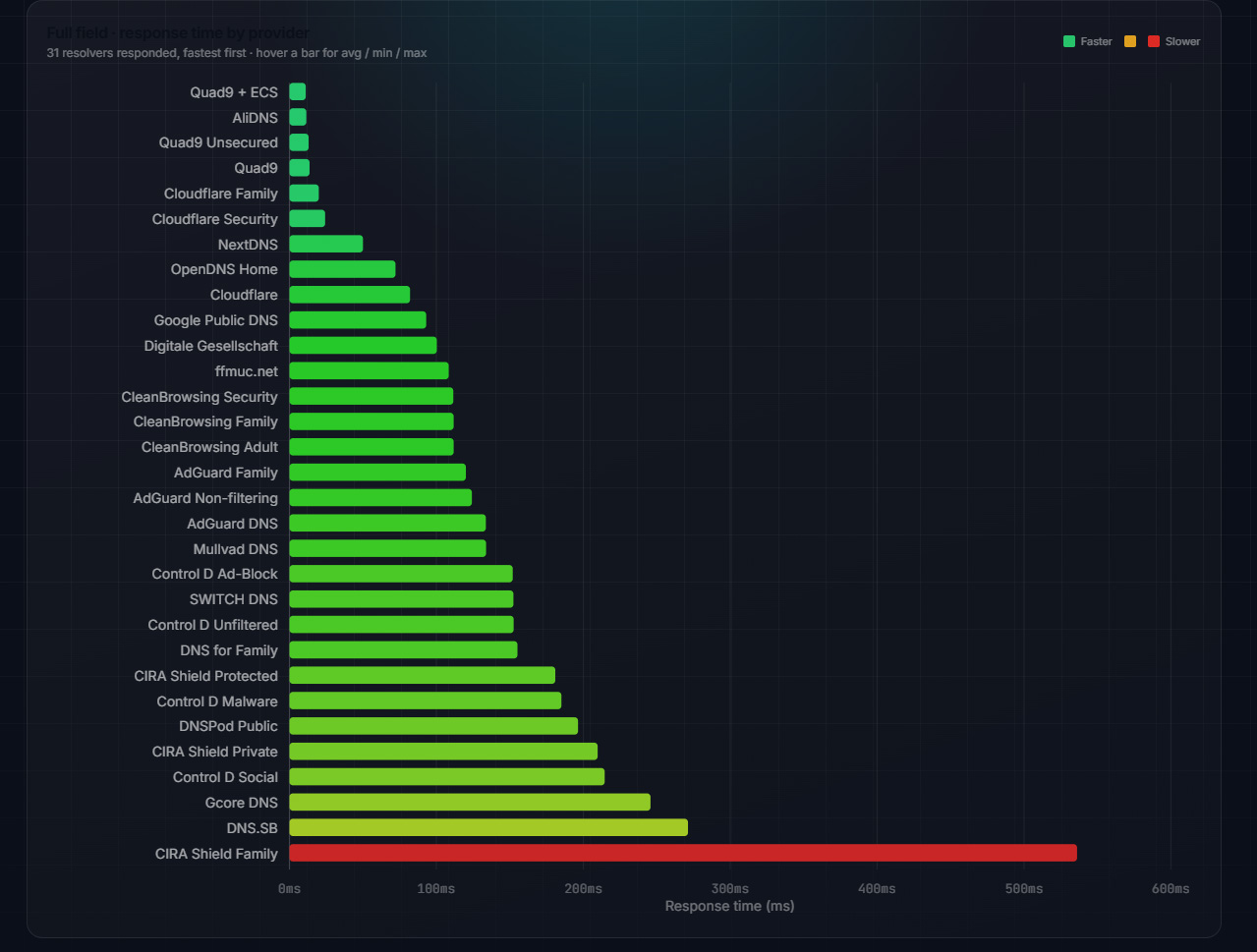
- Verify what your runners actually resolve. A network diagnostic tool run from inside the build network confirms in minutes which resolvers answer and what network latency they carry — the fastest way to catch a redirection that no change ticket explains.
Industry impact: developer platforms are tier-zero now
Most of 2026’s significant cybersecurity news has involved systems that manage other systems rather than the systems themselves: firewall managers, RMM consoles, VPN gateways, artifact repositories. GitLab belongs on that list. It is trusted by every pipeline in the organisation, it holds the credentials those pipelines use, and it is frequently exempted from the change control applied to production servers on the grounds that it is “only” developer tooling.
The economics favour the attacker. A single unauthenticated read against one GitLab instance can yield the keys to a cloud account, a container registry and a deployment pipeline at once. Compare that with the effort of a DDoS attack or a phishing campaign and the appeal is obvious. Our coverage of the JFrog Artifactory admin-token exploitation made the same argument from the artefact-storage side; the GitLab case makes it from the source side.
Every data breach update of this shape ends the same way. Sound IT security practice in late 2026 means classifying developer platforms as tier-zero assets alongside domain controllers, assuming that any vendor advisory rated CVSS 10.0 is being probed the day it publishes, and measuring what the network and its build systems actually do rather than trusting the configuration you believe is deployed.
Sources: GitLab patch release 19.3.2 (11 September 2026) and associated security advisories for CVE-2026-85706 and CVE-2026-87719; The Hacker News, “GitLab CVSS 10 File-Read Flaw Draws In-the-Wild Probes After Disclosure” (11 September 2026); watchTowr Labs threat intelligence statements attributed to Jake Knott. This article is independent editorial analysis and is not affiliated with or endorsed by GitLab, watchTowr or CISA.
Related articles
DNS angle
Review resolver logs for the systems discussed above and compare unexpected names with your approved services. A successful lookup does not establish that a destination is safe. Use the DNS lookup tool to inspect current answers, then compare them with your own resolver and incident records.
Source: GitLab patch release 19.3.2 (11 September 2026) and associated security advisories for CVE-2026-85706 and CVE-2026-87719; The Hacker News, “GitLab CVSS 10 File-Read Flaw Draws In-the-Wild Probes After Disclosure” (11 September 2026); watchTowr Labs threat intelligence statements attributed to Jake Knott. This article is independent editorial analysis and is not affiliated with or endorsed by GitLab, watchTowr or CISA.