Tech Infrastructure
Tech Infrastructure Alert: The 401 Arrived Too Late
By Nattapong Sukkasem · Published · Updated .
TL;DR — A heap overflow in the Base64 decoder shipped with OpenJDK 17.0.6 and later, nicknamed Java4Shell and tracked as CVE-2026-114938, was disclosed on 17 November with fixes from Oracle and the OpenJDK Vulnerability Group. It fires only on x86-64 processors carrying AVX-512 VBMI instructions, and it is reachable before any login, because a server must decode a credential before it can reject it. Keycloak, Jira, Confluence, Jenkins, JFrog Artifactory and PingFederate are named as reachable in default configurations. This is a tech infrastructure problem sitting underneath all of them.
The most useful number in this story is not a severity score. It is 28,300: the number of unauthenticated requests Blackpoint Cyber sent at a stock Spring Boot application before the Java process died. Every single one of them was refused. The application answered HTTP 401 each time, the credentials were never valid, and the service went down anyway after about twenty-four seconds of uptime. That is the shape of the tech infrastructure flaw disclosed on 17 November, and it is why a working authentication layer offers no protection at all.
The bug is CVE-2026-114938, named Java4Shell by its finder, Calif Research, whose write-up credits Quang Luong. Canada's Cyber Centre classifies it as a heap-based buffer overflow, CWE-122, in the standard Java Base64 library. Red Hat opened bulletin RHSB-2026-018 the same afternoon and rated it Critical, stating that pre-authentication remote code execution “has been demonstrated against widely deployed Java applications running default configurations”.

A sixty-two byte overwrite you do not control
Java decodes Base64 twice over. There is a portable implementation in Java, and a hand-written x86-64 routine using AVX-512 instructions that the HotSpot JIT substitutes once the method gets hot. Production servers run the second one. Calif found that the fast routine mishandles the padding arithmetic: when a malformed string ends in a stray equals sign, the computed output length goes negative, a bit-masking instruction then treats that as “write everything”, and a sixty-four byte vector store lands partly outside the buffer. Blackpoint measured 62 or 63 bytes past the end across roughly 47,000 triggering decodes. Java rejects the malformed input only afterwards.
The attacker controls almost none of what gets written — the trailing bytes are a fixed filler value, and only the first byte and part of the second carry chosen data. What the attacker controls is where it lands. Groom the heap so that the spilled bytes fall on the length field of the next array along, and that array grows. A grown array will write beyond its real bounds on command and read beyond them on request. Calif calls the resulting disclosure primitive JavaBleed; Blackpoint reproduced it locally and recovered an adjacent secret in 30 of 30 attempts. A constant-value overwrite becomes an arbitrary one because the thing it overwrites is a number describing size.
Why the login page is the attack surface
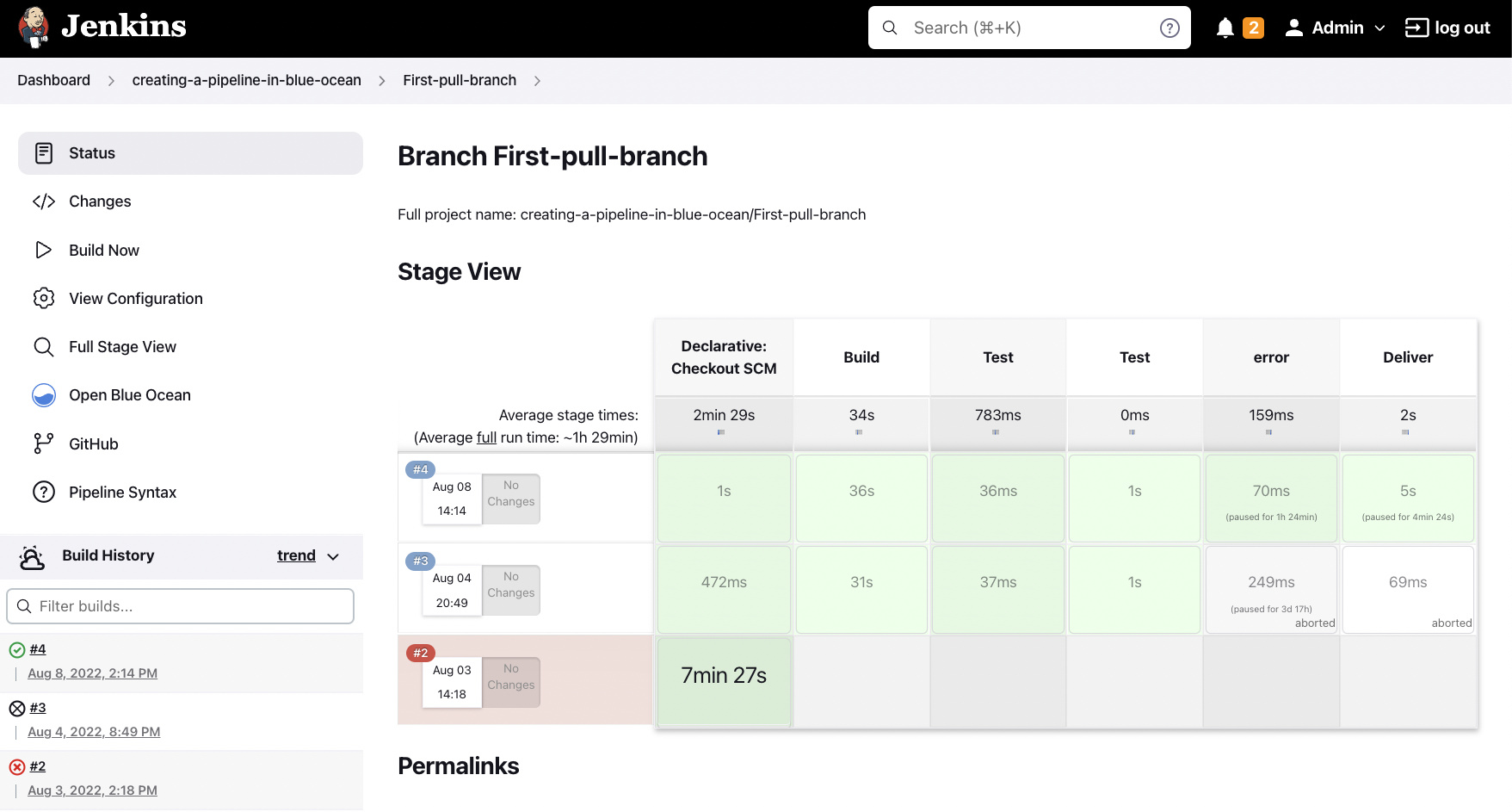
Tech infrastructure is drawn as a stack, with the application on top and the runtime underneath. A request does not arrive that way. It reaches the runtime first, and whatever the runtime does with those bytes has already happened by the time the application forms an opinion about them. A server cannot evaluate an HTTP Basic credential it has not yet decoded. It cannot validate a JSON Web Token signature, parse a SAML artifact or check a CSRF token without first turning Base64 text into bytes. Decoding is not a step that follows authentication; it is a precondition of it.
That single ordering explains the shape of the affected list. The six products Calif reports as exploitable without credentials — Keycloak, Atlassian Jira, Atlassian Confluence, JFrog Artifactory, Jenkins and PingFederate — are not a random sample of Java software. They are the software whose job is identity, which means they touch attacker-supplied Base64 earliest. Upwind found the same in its laboratory: Spring Security, the Tomcat and Jetty 12 Basic authentication handlers and the java-jwt library all hand an attacker token straight to the decoder. The more carefully an application checks who you are, the sooner it reads what you sent.

What has actually been reproduced
The headline claim is pre-authentication code execution, and it deserves careful handling. Calif says its testing demonstrated it against the six products, but it is withholding those exploit chains and has published only a bounded proof of concept. Wiz says it proved remote exploitation feasible against Jenkins, Confluence and Apache Tomcat. Blackpoint states plainly that it did not independently reproduce code execution, and Upwind did not either, though it confirmed memory corruption in 97 percent of rounds on an AWS Ice Lake instance. Red Hat, with access to the research, calls the demonstration a fact. No application vendor has published a confirmation.
The scores disagree too. Calif rates it 9.2 under CVSS 4.0, the OpenJDK advisory 8.1 under CVSS 3.1 and Amazon 8.8, while Red Hat's bulletin gives the word Critical and no number. Nothing below depends on which is right. No exploitation in the wild has been reported, and the flaw was not in the CISA Known Exploited Vulnerabilities catalogue at the time of writing.
| Distribution | Affected | Fixed build |
|---|---|---|
| Oracle Java SE 17 | 17.0.6 through 17.0.21.0.3 | 17.0.21.1 |
| Oracle Java SE 21, 25, 27 | 21.0.13.0.3, 25.0.5.0.3, 27.0.1.0.3 and earlier | 21.0.13.1, 25.0.5.1, 27.0.1.1 |
| Oracle Java SE 8 | 8u511b33-perf only; standard Java 8 and 11 are not affected | 8u513 |
| Amazon Corretto | From 17.0.6 on the 17 line | 17.0.21.1.2, 21.0.13.1.2, 25.0.5.1.2, 27.0.1.1.4 |
| Azul Zulu | From 17.0.6 on the 17 line | 17.70.201, 21.54.201, 25.38.201, 27.30.201 |
| Red Hat build of OpenJDK 17, 21, 25; RHEL 8, 9, 10 | 17.0.6 and later | Errata pending; Red Hat says it is expediting fixes |
The processor decides whether you are exposed
A zero-day vulnerability normally describes a condition of software alone. This one is a condition of software and silicon together: identical bytes sent to an identical build do nothing whatever unless the host exposes four specific processor features, avx512f, avx512bw, avx512vbmi and bmi2. Calif names Intel Xeon from Ice Lake onward and AMD Zen 4 and later. ARM64 has no such code path and is unaffected. One consequence inverts an old assumption about server infrastructure: the newer the hardware underneath a service, the more likely it is to be exposed.
For anyone running containers this turns into a cloud security question about instance types rather than images. The same image, the same digest and the same JVM can be reachable on one node pool and inert on the next, because the scheduler placed one workload on an Ice Lake generation host and the other somewhere older. Upwind names the AWS c6i, m6i, c7i, c7a and m7a families; virtualisation can also mask the flags, so the guest view is the one that counts.
What to do this week
- Patch the runtime, not the application. The fix comes from whoever built your JVM. Anything bundling its own runtime needs a vendor update, and container images must be rebuilt rather than restarted. Red Hat, Temurin, the Microsoft build and Liberica had published no builds when this was written.
- If you cannot patch today, use a flag, carefully.
-XX:-UseBASE64Intrinsicsdisables only the vulnerable path, on any architecture.-XX:UseAVX=2turns off AVX-512 entirely and must never reach an ARM64 JVM, which refuses to start. Upwind warns that the-XX:DisableIntrinsicadvice circulating elsewhere stops the JVM booting at all — set fleet-wide, that is an outage, not a mitigation. - Produce two lists and compare them. One of every Java service with the runtime build it actually loaded; one of every host carrying all four processor flags, from
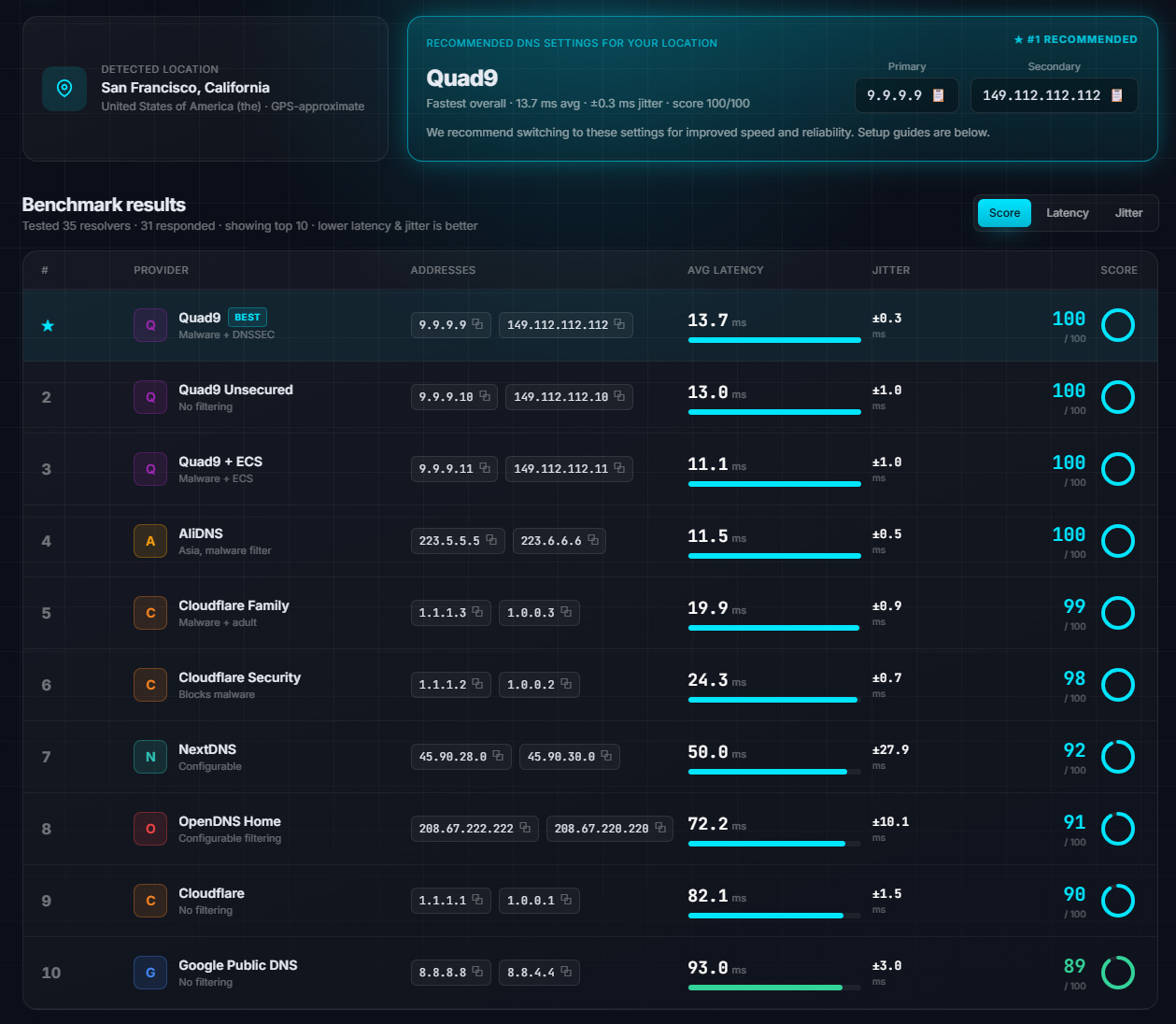
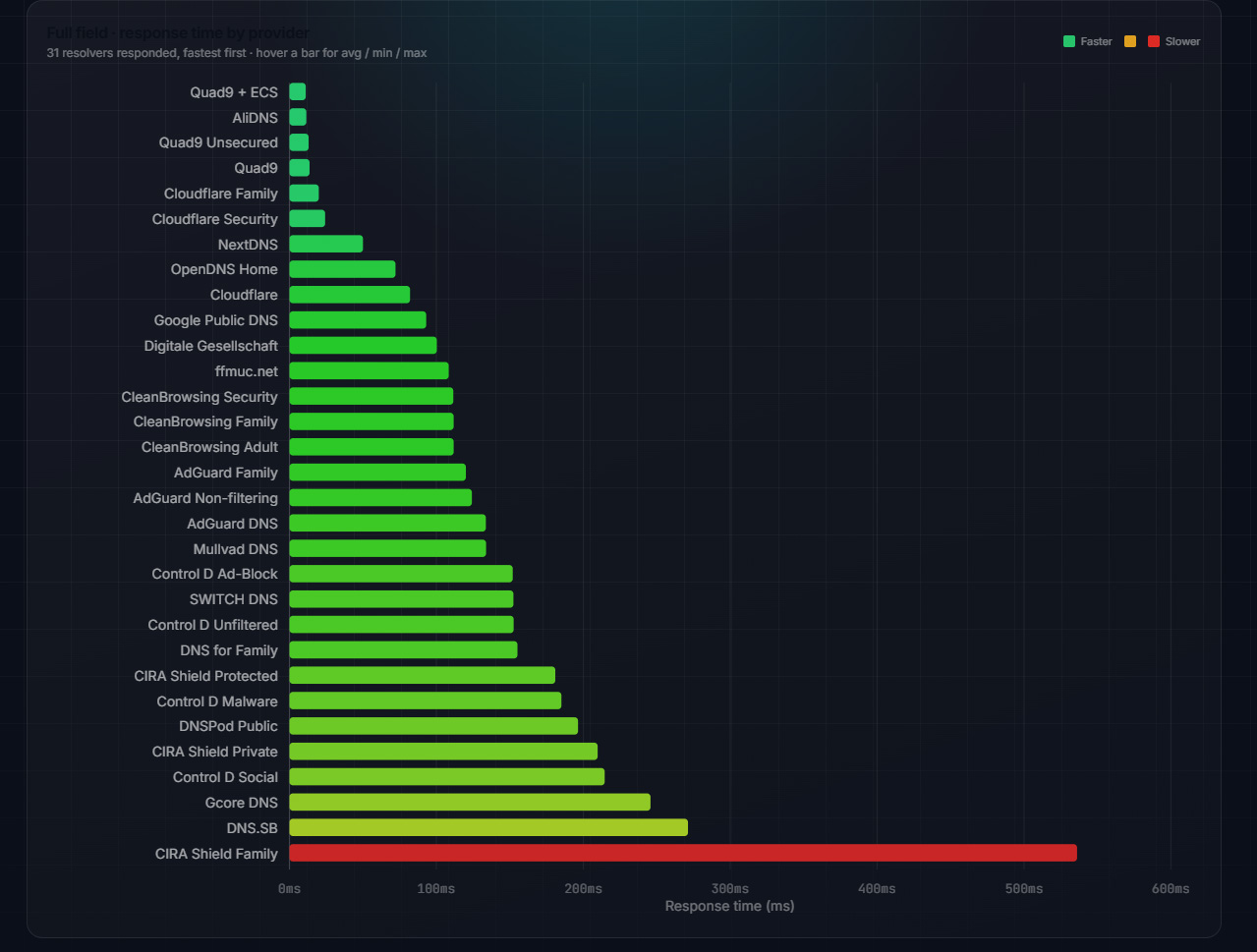
grep -m1 '^flags' /proc/cpuinfo. The intersection is your real exposure and it is shorter than either list. Marking which of those face the internet is the IT security artefact your change board will want before it approves an emergency window. - Check what your runtimes call outward. Calif reports a client-side variant, credited to the researcher samczsun, in which a Java program that merely opens a TLS connection to a hostile server can be compromised while listening on nothing. The set of destinations a process will reach is therefore a security boundary. Resolve every external name your Java services connect to with a network diagnostic tool and account for the ones you cannot explain. Whether you can see those lookups at all depends on DNS over HTTPS: resolution inside the application is resolution your network never sees.
- Hunt for the attempts, knowing they prove nothing. Upwind suggests Base64 tokens of 32 characters or more ending in an equals sign whose length is not a multiple of four, in Authorization headers first; bursts of
IllegalArgumentExceptionfromjava.util.Base64$Decoder; and unexplainedhs_err_pidcrash files.
Why this one matters
Denial of service is the floor of this bug rather than its ceiling. A DDoS attack buys disruption with volume; here 28,300 requests over roughly twenty seconds, across three connections, ended a service that was correctly refusing every one of them. The tech infrastructure lesson is the ordering, though, not the crash. Authentication worked perfectly in Blackpoint's test and was never the relevant control, because it sat downstream of the damage. Calif reports finding the defect in about an hour and a first working exploit in two more, for under 200 dollars of tokens; Wiz reports two hours for its own. The gap between a patch and a practical exploit is now short enough that patch windows belong in days, not quarters.
Sources
- Calif — Java4Shell (CVE-2026-114938), the original disclosure
- Red Hat — RHSB-2026-018, remote code execution via memory corruption on x86-64 (java4shell)
- Canadian Centre for Cyber Security — AL26-029, critical vulnerability impacting Oracle Java
- Blackpoint Cyber — Inside a critical flaw in the Java Base64 decoder
- Upwind — Java4Shell: what we know now and what comes next
- Wiz — CVE-2026-114938 RCE in OpenJDK: everything you need to know
- The Hacker News — Java4Shell enables pre-auth RCE in Jira, Jenkins and Keycloak
- The Hacker News — Oracle to patch 11 Java flaws as critical OpenJDK RCE report emerges
Related articles
Browse every DNS news article by month →
DNS angle
Review resolver logs for the systems discussed above and compare unexpected names with your approved services. A successful lookup does not establish that a destination is safe. Use the DNS lookup tool to inspect current answers, then compare them with your own resolver and incident records.
Source: Calif — Java4Shell (CVE-2026-114938), the original disclosure ().