Data Breach Update
Data Breach Update Alert: One MFA Prompt, Two Companies
By Nattapong Sukkasem · Published · Updated .
TL;DR — Google Threat Intelligence Group and Mandiant have published a case study on the Russian espionage group COLD RELIC, formerly tracked as COLDRIVER. In late 2025 it took over a Google Workspace Super Admin account at a US organisation by wearing the owner down with repeated multi-factor prompts, copied the tenant out, enrolled authenticators of its own, deleted the alerts and stayed for months. It then used what it had read to impersonate an employee of that organisation and compromise a second company sharing no tenant, no network and no login with the first. This data breach update is about what a breach leaves behind.
The two organisations in this data breach update had nothing technical in common: separate tenants, separate identity providers, no federation between them. What they shared was a working relationship and a handful of names, and that was enough. Google says the group used material taken from the first organisation to build a pretext credible enough that someone at the second opened a conversation, followed a link and handed over a session. Google's own phrasing is that the actor uses stolen emails and data to “establish authentic pretexts”. The word carrying the weight is authentic. Nothing in the second approach had to be forged, because the raw material was real.
It is worth saying plainly what is absent. A zero-day vulnerability is the usual engine of a story like this, and there is not one here: no CVE, no malware payload identified in either intrusion, and no software defect named anywhere in its coverage. Every authentication the attacker performed was accepted and logged as a success. One fact is disputed and it is small — two outlets date the case study to 17 November while the coverage landed on 18 November — and nothing below turns on it.
The prompt that was approved
The intrusion into the first organisation has four steps and not one of them involves a vulnerability. The attacker arrived holding valid credentials for a Super Admin account; no source says where those came from. It then pushed multi-factor prompts at the account holder until one was approved, the technique usually called push fatigue. The sign-in came through a residential proxy network close to the victim's usual location, and that detail is worth stealing: proximity defeats impossible-travel scoring, and a login from a plausible suburb scores better than one from a datacentre two time zones away.
Once inside, the actor registered a device model the tenant had never seen, then enrolled passkeys and backup codes of its own. The password bought the first session; everything after it was held open by authenticators the attacker created, inside the tenant, using the privileges of the account it had just taken. From there the password is irrelevant to the attacker and, as the next section shows, to the response as well.
The whole tenant, exported through the front door
What followed was not exfiltration in the smash-and-grab sense. It was administration. Using Super Admin privileges the actor downloaded the organisation's cloud storage directly and also mass-shared files to an email account it controlled, which turns a download problem into a sharing problem. It exported the staff directory. It started a tenant-wide Customer Takeout, the administrative export built for exactly this purpose. Mailboxes were synced out over OAuth to an external client, so reading the organisation's email no longer required logging into it.
Then it cleaned up. Google describes the actor viewing, modifying and deleting Alert Center notifications and querying the admin security investigation and email audit logs, reading the record of its own activity before editing it. Here the secondary accounts diverge in a way that matters to anyone writing detections: one says the audit logs themselves were deleted, the others describe only alerts deleted and logs queried. The reporting does not settle it.
| Admin or audit event | Why it belongs on an alert |
|---|---|
CUSTOMER_TAKEOUT_CREATED | A tenant-wide export. Almost never routine; legitimate uses are planned in advance. |
| User list download | The staff directory leaving. It is the raw material for the next pretext. |
| Passkey enrolled, device registered | Persistence that outlives a password change. Always alert for privileged accounts. |
| Backup code used as challenge | A fallback path chosen ahead of the primary one, from an unfamiliar network. |
OAuth Authorize to an unapproved client | Broad mail scope granted to software nobody reviewed. |
Batch Delete Operation Performed, Investigation Query | Alerts disappearing and someone reading the security record. Ask who. |

The reset that revoked nothing
The single most useful sentence in the coverage is that attacker-enrolled passkeys remained usable after password and session resets, and bypassed the tenant's device registration controls. One account adds that Google describes a separate investigated intrusion in which password resets failed because existing sessions were never revoked.
Two explanations for the passkey survival are circulating and only one is sourced. A vendor write-up attributes it to passkeys being bound to the identity provider rather than to the account password; that is the author's reasoning, not a Google quote. The others simply report the outcome, and the outcome is the part you can act on. A credential reset addresses a credential, and by the time responders arrived the attacker had stopped using one. Changing the lock on a door nobody is using achieves nothing.
A second company, sharing nothing
Most of what a data breach update can report is quantity: how many records, how many people, how many months. This one has almost none, and the absence is the point. The interesting number is one — one conversation, with one person, at a company that had not been attacked.
In 2026 the actor approached an employee of a second US organisation through an encrypted messaging application rather than corporate email, posing as an employee of the first victim. The pretext was sharing a document about a technical issue. The link harvested credentials and authentication tokens for Microsoft Entra ID, which the second organisation used as its federated single sign-on provider for Google Workspace. That federation is the cloud security shape worth noting: authority over one vendor's tenant lived inside another vendor's directory, so an attacker who never touched Google arrived inside Google Drive holding a valid session.
Google says the actor then “registered and used a new MFA device in the SSO solution” to hold the account. It downloaded the files that one user could reach; there was no tenant-wide export this time, and the difference is instructive, because the blast radius was set by the victim's permissions rather than the attacker's skill. Investigators tied the two intrusions together partly through a phishing redirect submitted to VirusTotal in June 2026 that named the first organisation. Afterwards the messaging profile changed to a different persona, which Google assesses was likely used against others in the same professional network.
What to do this week
- Inventory authenticators, not passwords. Before this week ends, list every authentication method registered against every privileged account in both your identity provider and your productivity suite: passkeys, registered devices, backup codes, hardware keys, phone numbers. Have each owner confirm each entry. Anything nobody claims is your IT security finding for November, and the deadline matters because an unclaimed authenticator does not expire on its own.
- Write the revocation order into the runbook. Reset the credential, revoke browser sessions and refresh tokens, remove unrecognised passkeys, backup codes and MFA devices, withdraw third-party OAuth grants, then test whether an old session still works. The test is the step people skip and the only one that proves the rest worked.
- Alert on the export primitives, not on volume. A tenant-wide takeout, a directory download and a spike in external sharing are three events, not three thousand, and each is cheap to alert on. Volume thresholds miss an administrator who exports the organisation correctly.
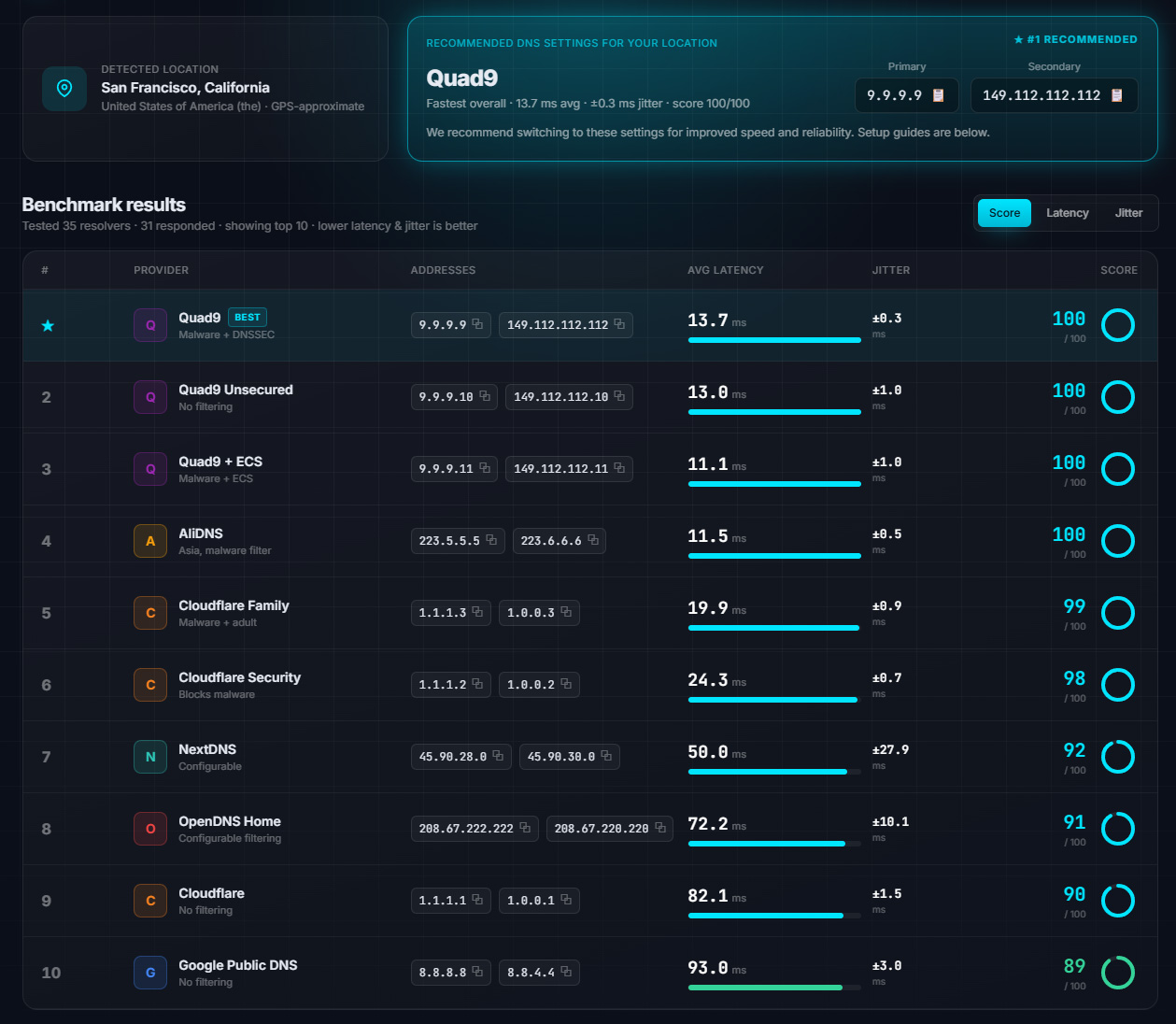
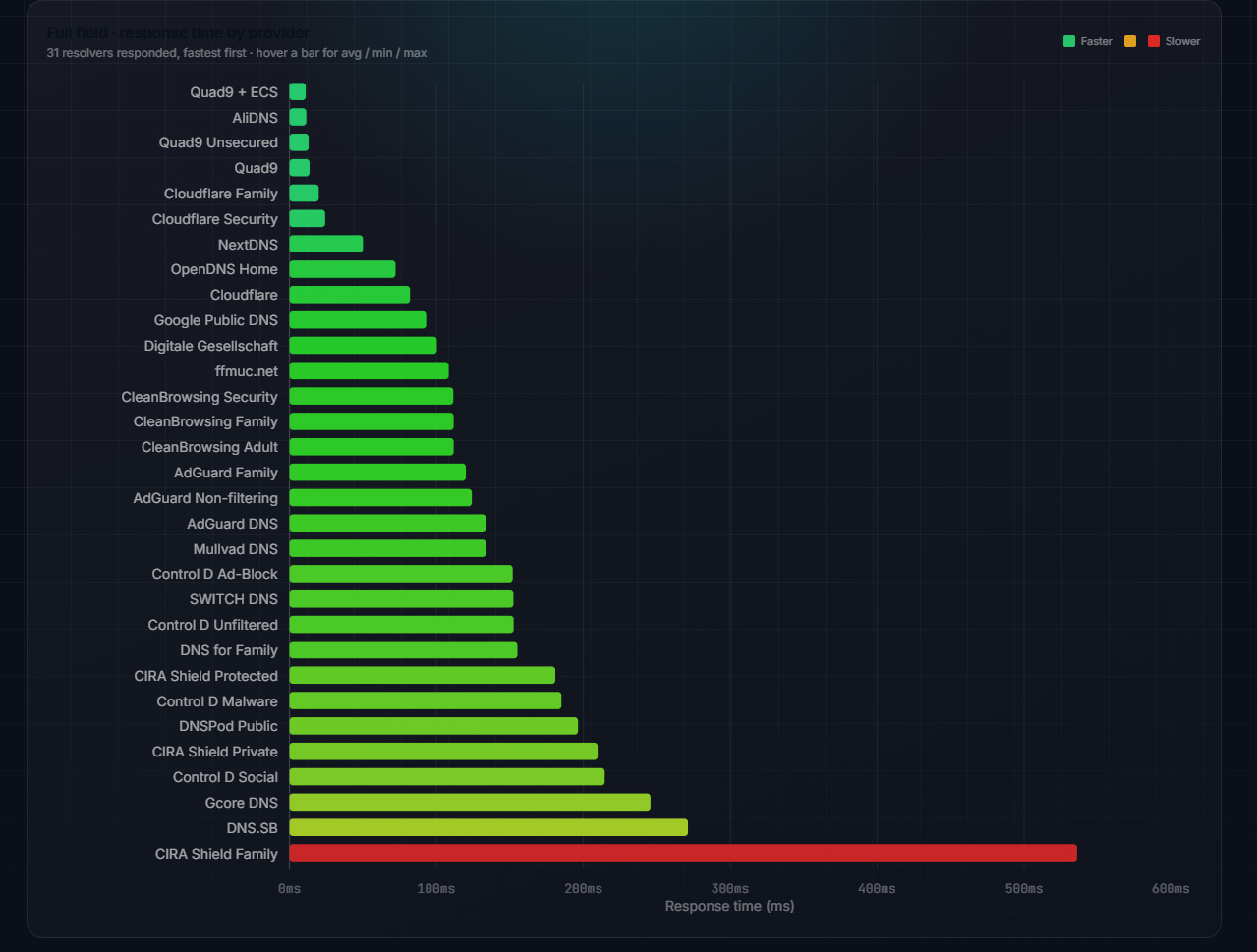
- Treat the phishing destination as perishable evidence. When a link like this is reported, resolve the host with a network diagnostic tool and record the answer before it rotates. Note where the resolution happens: an approach delivered through a consumer messaging app on a phone is resolved by that application, so DNS over HTTPS has already decided whether the lookup was ever yours to see. Settle that question before an incident rather than during one.
- Tell the people on the other side of the relationship. The organisations most exposed by your breach may be the ones you do business with. Ask partners to verify unexpected requests through a channel they already know.
Why this one matters
A DDoS attack borrows other people's machines. This campaign borrowed other people's reputations, and the borrowed asset proved more durable, because a botnet is taken down and a professional relationship is not. No server infrastructure belonging to either organisation was involved at any point: both were tenants, the attacker authenticated to services neither of them operated, and there was nothing on either estate to patch, harden or take offline.
The lasting lesson of this data breach update is about scope. When the first organisation counted its losses it would have counted drives, mailboxes and a staff directory, and it would have been right. What it could not count was the second company, which lost its own files months later because the first one's email had been read. Exfiltrated correspondence is not only evidence of an intrusion; it is the research phase of the next one. The blast radius of a breach includes every organisation whose people trust yours, and that list is in nobody's asset inventory.
Sources
- The Hacker News — Russian Cold Relic hackers use stolen Google Workspace data to breach a second US organization
- Brandefense — COLD RELIC cloud compromise: identity response
- Cybersecurity News — Google reveals how Russian hackers used one cloud breach to compromise another
- GBHackers — Google warns Russian hackers are using stolen cloud data to impersonate employees
- Cyber Press — Russian hackers hijack Google Workspace accounts to steal data and target other companies
- Aviatrix Threat Research Center — COLD RELIC: stolen Google Workspace data used against a second organization
Related articles
Browse every DNS news article by month →
DNS angle
Review resolver logs for the systems discussed above and compare unexpected names with your approved services. A successful lookup does not establish that a destination is safe. Use the DNS lookup tool to inspect current answers, then compare them with your own resolver and incident records.