DNS Security
DNS Security Alert: They Took the Map, Not the Server
By Nattapong Sukkasem · Published · Updated .
TL;DR — Infoblox confirmed on 16 November that attackers reached company information through a compromised third-party data migration vendor. The company says no Infoblox product, cloud service, software update or build-and-release process was involved. What reportedly left instead, according to The Register citing sources, were saved snapshots of customer NIOS deployments: DNS configuration, DHCP configuration, Grid databases and reporting logs. Employee and dependent records went too. This is a DNS security incident about documentation rather than devices, and the two are governed by entirely different rules.
No appliance was compromised. That sentence is accurate, and for anyone running a large managed DNS and DHCP estate it is also very nearly beside the point. The DNS security question raised by the incident confirmed on Monday evening is not whether the vendor's products held. It is what a vendor holds about your network, where that material sits once it has been handed over, and who is permitted to touch the place it sits in. On the reporting so far, the answer to the last of those is a contractor nobody has named.
The sequence is short. Infoblox gave a statement to The Register and to TechCrunch on 16 November, after both outlets put questions to it, and both published within twenty minutes of each other. The company said it is “investigating a security event involving unauthorized access to certain company information” — obtained, it said, “through a compromised third-party data migration vendor”. It had activated incident response, contained the incident and sent notifications, and declined to say how many people or customers are affected.

What Infoblox confirmed, and what it did not
Everything beyond that statement comes from reporting rather than from the company, and the distinction is worth holding for the rest of this article. TechCrunch, citing two people with knowledge of the incident, reported that the unnamed vendor provides SharePoint data migration services and that Infoblox has since ended the engagement. The Register, citing its own sources, reported that the vendor held trusted access to Infoblox's SharePoint system and that intruders used the vendor's own accounts to pull data directly out of it.
The Register also carried the detail that makes this a story for network teams rather than an HR one. The exfiltrated material, it reported, included configuration information for some customers' NIOS deployments — saved snapshots of customer network data such as DNS and DHCP configurations, Grid databases and reporting logs. No other outlet has sourced that claim independently: Security Affairs, ITdaily and Cyber Daily all repeat it crediting The Register, and Infoblox has neither confirmed nor denied it. One unattributed line elsewhere says no passwords were taken; read it as unsupported. ITdaily says it is unclear whether customer data was taken at all, while a TechCrunch source says flatly that it was. Nothing below turns on settling that, and the table records who stands behind what.
| Claim | Who reports it | How firm |
|---|---|---|
| Unauthorized access to company information via a compromised third-party data migration vendor | Infoblox, on the record | Confirmed by the company |
| The vendor supplied SharePoint data migration services and has since been dropped | TechCrunch, two people familiar | Reported; not addressed by Infoblox |
| Intruders used the vendor accounts to exfiltrate directly from Microsoft SharePoint | The Register, unnamed sources | Reported; not confirmed |
| Customer NIOS snapshots: DNS and DHCP configuration, Grid databases, reporting logs | The Register, unnamed sources | Reported; repeated elsewhere only with credit |
| Employee and dependent records including direct deposit details and dates of birth | CEO email seen by The Register | Documented internally; not public |
| No product, cloud service, software update or build-and-release process involved | Infoblox, on the record | Company statement, qualified as of now |
Why a configuration snapshot is not a document
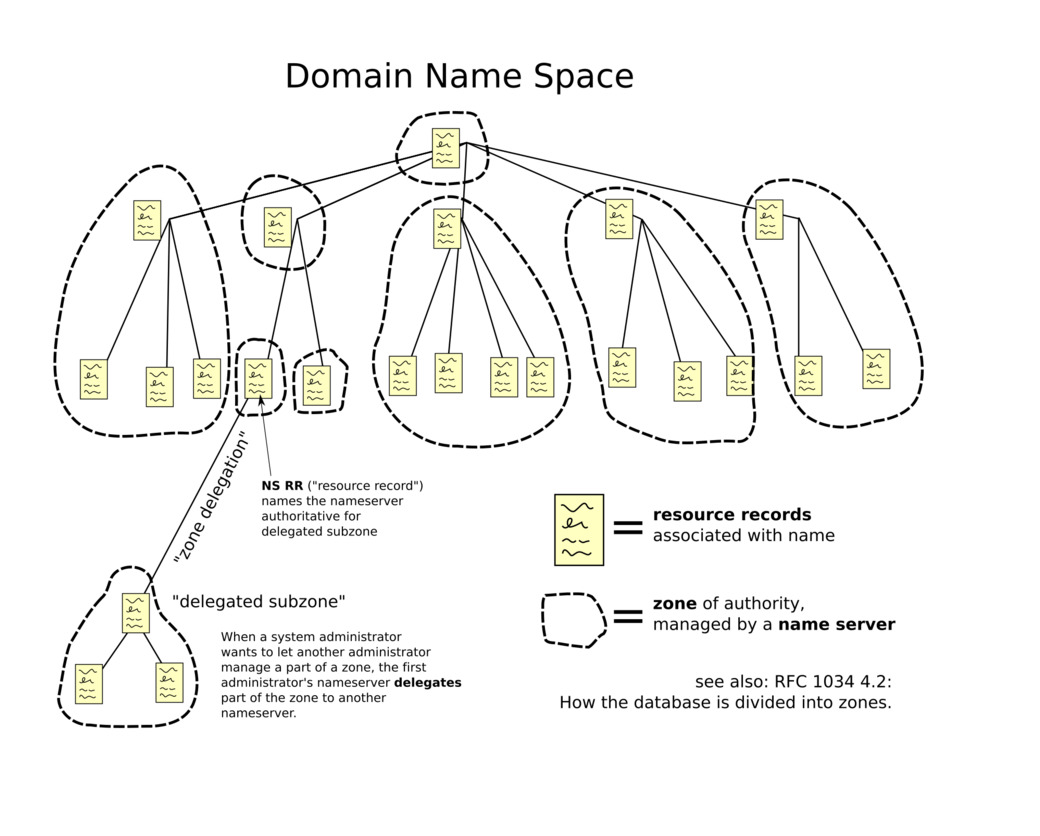
A Grid backup is not a description of a network in the way a wiki diagram is. It is the operating state of the thing itself, written down: the zones a company is authoritative for, the records inside them, the delegations that hand subtrees to other name servers, the DHCP scopes and their reservations, and the option sets telling every device where to look for everything else. The reporting logs add what a diagram never has — which of those names were actually asked for, and how often.
Read as a document, that is a dull file. Read as intelligence, it is the answer sheet. It names the hosts that matter, in the words the organisation itself uses, and without a packet being sent at the target. The defender's usual advantage is knowing the estate better than the intruder does, and that advantage is what is reportedly now in someone else's hands.
The access path ran through the document estate
TechCrunch confirmed from public records that Infoblox keeps much of its files, mail and infrastructure with Microsoft, including a SharePoint server reachable through the company's single sign-on provider. There is nothing unusual in that, nor in bringing in a specialist to move content between tenants. Migration work is a project rather than a job, and it needs breadth of read access rather than depth.
That breadth is the shape of the problem. The cloud security point here has little to do with Microsoft and everything to do with classification: a document platform is governed as a document platform, with sharing links and site permissions, while a material fraction of what accumulates inside it describes production systems governed far more strictly. The file inherits the rules of the folder it lands in, not the rules of the machine it describes.

What the loss changes for DNS security teams
A zero-day vulnerability buys an attacker a way in. A configuration snapshot buys the step after: which host to go to, what it is called internally, which subnet it lives on, and which name server answers for it. The second is cheaper to act on, because it deletes the stage of an intrusion in which the intruder has to work out where anything is — also the noisiest stage, and the one most detection programmes are quietly built around.
Contrast it with the loudest thing on the threat board. A DDoS attack needs no knowledge of its target beyond an address; it substitutes volume for understanding and announces itself in the first thirty seconds. What reportedly left Infoblox is the opposite kind of asset: it buys precision rather than volume, it is used once and quietly, and nothing in the victim's own telemetry reveals that the party on the other end is reading from notes. Server infrastructure is documented long before it is defended, and the documentation is a file with its own copies and its own custody chain, tracked by nobody.
What to do now
- Ask Infoblox in writing whether your Grid falls inside the affected set, and keep the reply. The absence of a notification is not a written negative, and the written negative is what you will need in six months.
- Treat every configuration export, Grid backup, support bundle and discovery report your team has handed a supplier as potentially readable by a third party, then establish where those files are now.
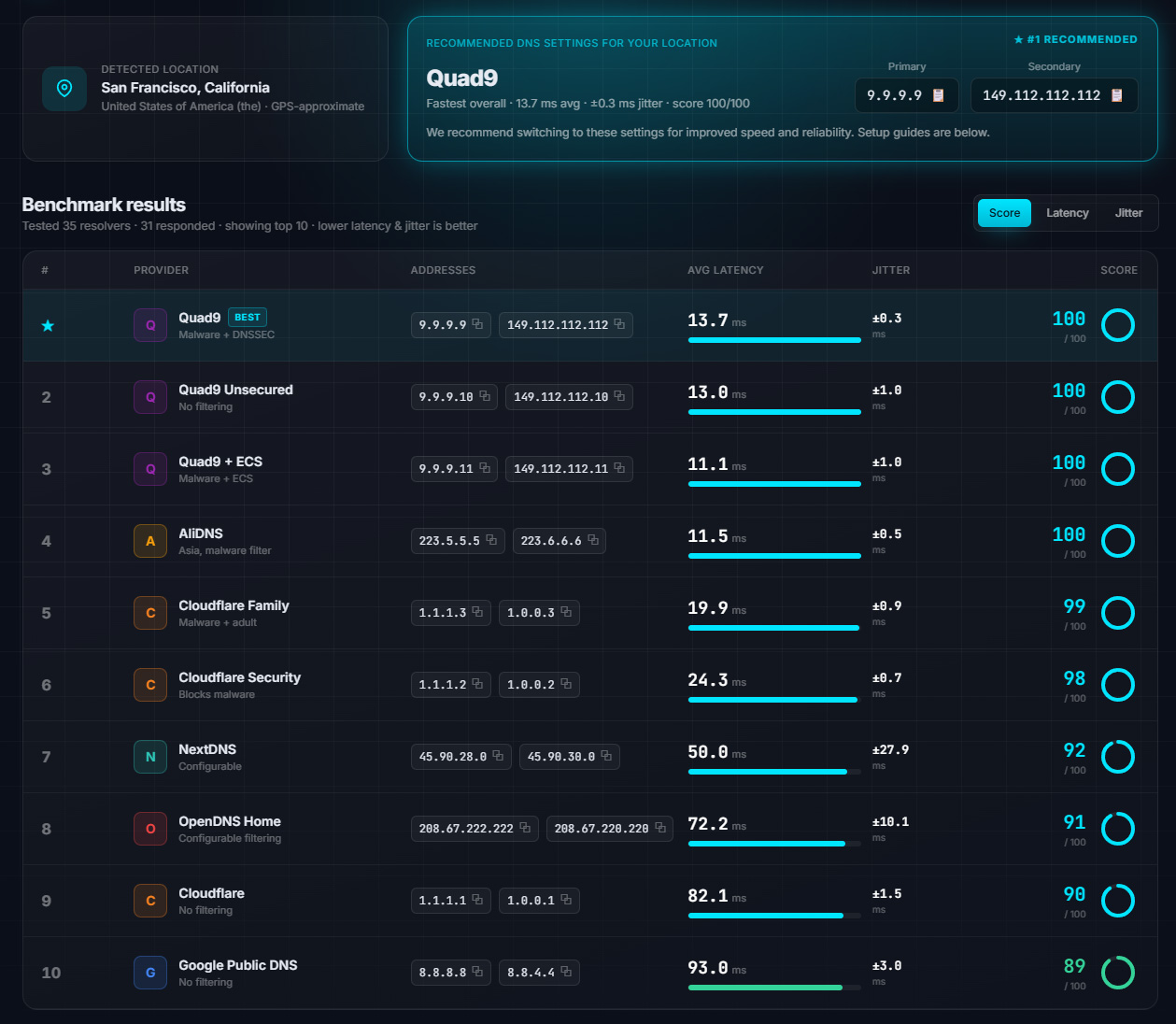
- Take the externally visible names from your most recently shared export, resolve them from outside your own network with a network diagnostic tool, and compare the answers with the internal view. The gap between the two is what a reader of your configuration learns about you, and it is invisible from inside.
- Review third-party and guest access across your document platforms as seriously as across your network platforms. Which supplier accounts, applications and consented permissions can read whole site collections, and when did a person last read that list?
- Set a date this month, not next quarter, by which every supplier holding standing read access to your file estate has been re-approved by a named owner or switched off. Standing access nobody renews is an IT security decision that defaults to yes every day it is left alone.
Reading your own namespace the way an attacker would
The structure of what was reportedly taken is the structure of DNS itself: zones, the records inside them, and the delegations that pass parts of a namespace to another name server. Anyone wanting to understand why one export is worth so much can start with how DNS resolution works, because the hierarchy that makes the system scale is what makes a complete copy of it so useful to read.
Internal names are the part of a namespace meant to be unguessable from outside. Once somebody holds the list, queries for those names become the most informative event your estate can produce, because only a party already holding the list would ask for them. Whether you see those queries depends on where resolution happens. DNS over HTTPS configured at the application rather than the platform moves that lookup out of your resolver logs and into somebody else's, which is a poor trade in a month when the name list is believed to be circulating.
No customer-facing failure has occurred here, and that is what makes the incident worth more than a passing mention. The appliances, the cloud service and the build pipeline are all fine, and the vendor said so promptly. What moved was the written description of other people's networks, taken from a document system through an account belonging to somebody neither Infoblox nor its customers employ. Every organisation that buys managed infrastructure generates that description as a by-product, hands it over as routine, and stops thinking about it. DNS security spending goes overwhelmingly on the resolution path, and rather less on the filing cabinet where the resolution path is written down.
Sources
- The Register — Infoblox customer and staff data exposed in SharePoint breach
- TechCrunch — Cyber giant Infoblox confirms security incident after hackers access company information
- Security Affairs — Infoblox confirms supply chain breach after attackers access sensitive data
- ITdaily — Infoblox confirms data breach via SharePoint migration vendor
- Cyber Daily — Infoblox discloses third-party data breach, employee data compromised
Related articles
Browse every DNS news article by month →
DNS angle
Review resolver logs for the systems discussed above and compare unexpected names with your approved services. A successful lookup does not establish that a destination is safe. Use the DNS lookup tool to inspect current answers, then compare them with your own resolver and incident records.
Source: The Register — Infoblox customer and staff data exposed in SharePoint breach ().