Enterprise IT News
Enterprise IT News Alert: Three Days to Fix Barracuda ESG
By Nattapong Sukkasem · Published · Updated .
TL;DR — Two flaws in Barracuda Email Security Gateway chain together into unauthenticated root: CVE-2026-116606, an authorization bypass scored 9.3, and CVE-2026-111560, a command injection scored 8.6. Barracuda patched on 2 November and confirmed on 9 November that it had seen exploitation activity affecting a small number of organizations. CISA added both to its known exploited vulnerabilities catalogue on 10 November with a federal deadline of 13 November — three days, where four other entries in the same batch were given fourteen. Patching inside that window is achievable. Proving the appliance was not already reached is the part with no deadline and no tooling, and this enterprise IT news story is really about that second half.
A mail gateway is the one box on the perimeter that is contractually obliged to accept traffic from strangers. When the newest enterprise IT news out of Campbell, California is that a single unauthenticated HTTP request turns one into a root shell, the interesting question is not whether to patch. Barracuda shipped the fix ten days ago. The interesting question is the one CISA appears to have asked when it set a three-day clock on these two CVEs and a fourteen-day clock on the four others it published the same morning: how long has this door been open, and who can still tell?

What Barracuda shipped, and when it changed the story
The advisory went up on 2 November and has been revised twice, and both revisions matter more than the original text. On 5 November at 2:30pm EST, Barracuda changed the Authentication Required field for CVE-2026-116606 from “Yes, administrative access” to “No”. That is not a clarification; it is the difference between a flaw an insider can reach and a flaw the internet can reach. On 9 November at 9:00pm EST, a second revision added the line that it had identified exploitation activity affecting a small number of organizations. Note the wording. Barracuda says exploitation activity, not attacks, and it names no victim, no sector, no attacker and no malware.
| CVE | Component | CVSS | Why it matters |
|---|---|---|---|
| CVE-2026-116606 | ESG authorization | 9.3 | Pre-authentication bypass; ESG only, and the entry point for the chain |
| CVE-2026-111560 | Timezone configuration | 8.6 | Command injection reached through the bypass; executes as root |
| CVE-2026-125350 | Google Chrome | 8.8 | Same KEV batch, same day, but given until 24 November |
| CVE-2026-124194 | Microsoft Outlook | 6.5 | Also 24 November, despite being the month's headline zero-day |
| CVE-2026-20320 | Cisco BroadWorks | 7.5 | Patched in August, added to KEV only now, due 24 November |
| CVE-2026-111793 | Openwave Webtop | 4.3 | The sixth entry, and the lowest-scored of the batch |
Fixed-version reporting is a mess and is worth disposing of in one paragraph. Barracuda's own advisory gives no build number at all: it lists patch identifiers, BNSF-40425 for ESG firmware at or above 9.4.017 and BNSF-40430 below it. Secondary coverage from The Hacker News and ThreatDefence settles on 9.4.0.030. watchTowr diffed 9.4.0.027 against 9.4.0.029. Nothing below depends on which build string is correct, and the operational answer is the same either way: apply the patch identifier Barracuda names for your product and confirm the appliance reports it.
One POST, a forged checksum, and root
The chain is a single unauthenticated multipart POST to /cgi-mod/index.cgi. The bypass lives in the password-change branch of the request handler: on success the code calls a bail-out routine and stops, but on failure it returns the low-privilege role belonging to the login screen and lets the rest of the request continue, including the hooks that run after a configuration write. The upload arrives not through the Backups page but through the Bayesian filter upload handler, which carries a permissive guard and accepts a file in a bayesian parameter.
From there the appliance untars the archive, reads its manifest, and loads a gzipped database dump for the Spam_Config component. Integrity is protected by a checksum: an MD5 over the file bytes plus a constant compiled into the firmware, which anyone who has read the firmware can forge. One restored row is system_timezone. The restore routine drops that value into a single-quoted expression inside a backtick shell command, and a value shaped like UTC#';id;# closes the quote, runs the command and comments out the remainder. The helper that applies the timezone is invoked through sudo, which is where root comes from. The patch validates the value against the system zoneinfo directory and replaces the shell call with ordinary file handling.

This was never a zero-day vulnerability. Barracuda shipped the fix on 2 November, a week before it confirmed anyone was being attacked and eleven days before the federal deadline. Everything that has gone wrong since happened in the gap between a patch existing and a patch being installed. A DDoS attack is the threat this class of device is sized against — capacity, rate limits, queue depth. A single well-formed POST satisfies every one of those controls on the way past.
Three days, not fourteen
Most enterprise IT news treats a federal remediation deadline as a finish line. The three-day clock here reads better as a statement about how quickly CISA expects the door shut, and it is unusual enough to be worth stating carefully: the deadline split is reported by one outlet, SecurityOnline, which gives 13 November for the two Barracuda entries and 24 November for the other four. The Hacker News independently gives 24 November for the Cisco BroadWorks and Openwave pair, which is consistent, but no second source has confirmed the shortened Barracuda date and CISA's own wording has not been quoted anywhere we could read.
The severity labels disagree too, and in an informative direction. Barracuda rates both flaws High. The CNA score for the bypass is 9.3, which maps to Critical. Meanwhile Barracuda's advisory still carries a sentence saying successful exploitation requires access to the administrative interface — sitting a few lines below the field in which the same advisory says no authentication is required. Read the field, not the sentence.
The appliance cannot tell you what happened
This is server infrastructure you cannot install anything on. There is no endpoint agent on a sealed appliance, no shell to log into, and Barracuda has published no indicators of compromise. The evidence therefore lives entirely in the equipment around the box: web or reverse-proxy logs in front of it, perimeter firewall logs covering the administrative ports, the appliance's own syslog if it was ever shipped somewhere durable, and its outbound traffic. Most mail filtering moved to hosted services years ago, and the cloud security conversation moved with it, which is exactly why the gateways still racked on-premises tend to be the part of the estate nobody re-instrumented.

There is a sharper problem underneath. The patch introduces a new audit event, failed_password_change, written when the bypass attempt is now correctly stopped. It is a genuinely useful detection — and it exists only on patched appliances. An unpatched ESG that was exploited last week never wrote it and never will. The one artefact purpose-built to reveal this attack cannot speak to the period anyone actually needs to ask about, which leaves front-end request logs for POSTs to /cgi-mod/index.cgi from outside your management ranges, and configuration changes with no administrator login preceding them.
What to do before Friday
- Apply the patch Barracuda names for each affected product, then confirm the appliance reports it. If automatic patching was ever turned off, turn it back on; devices several versions behind may need more than one update.
- Restrict the administrative interface to trusted internal networks and verify it from outside your own perimeter rather than from the configuration page. Barracuda notes that appliances whose admin interfaces are not internet-facing are materially less exposed.
- Resolve your own MX records with a network diagnostic tool and write down every host that answers, then reconcile that list against your asset inventory. The attacker already has this list; the question is whether you do.
- Hunt backwards at least to mid-October across front-end request logs, firewall logs covering ports 80, 443, 8000 and 8443, and any retained appliance syslog, looking for restore and timezone activity without a preceding administrator login.
- Decide today, not Friday, who owns the answer to whether this appliance was reached before 2 November. That is an IT security question with a federal deadline attached and, in most organisations, no default owner.
Why the egress list is the last piece
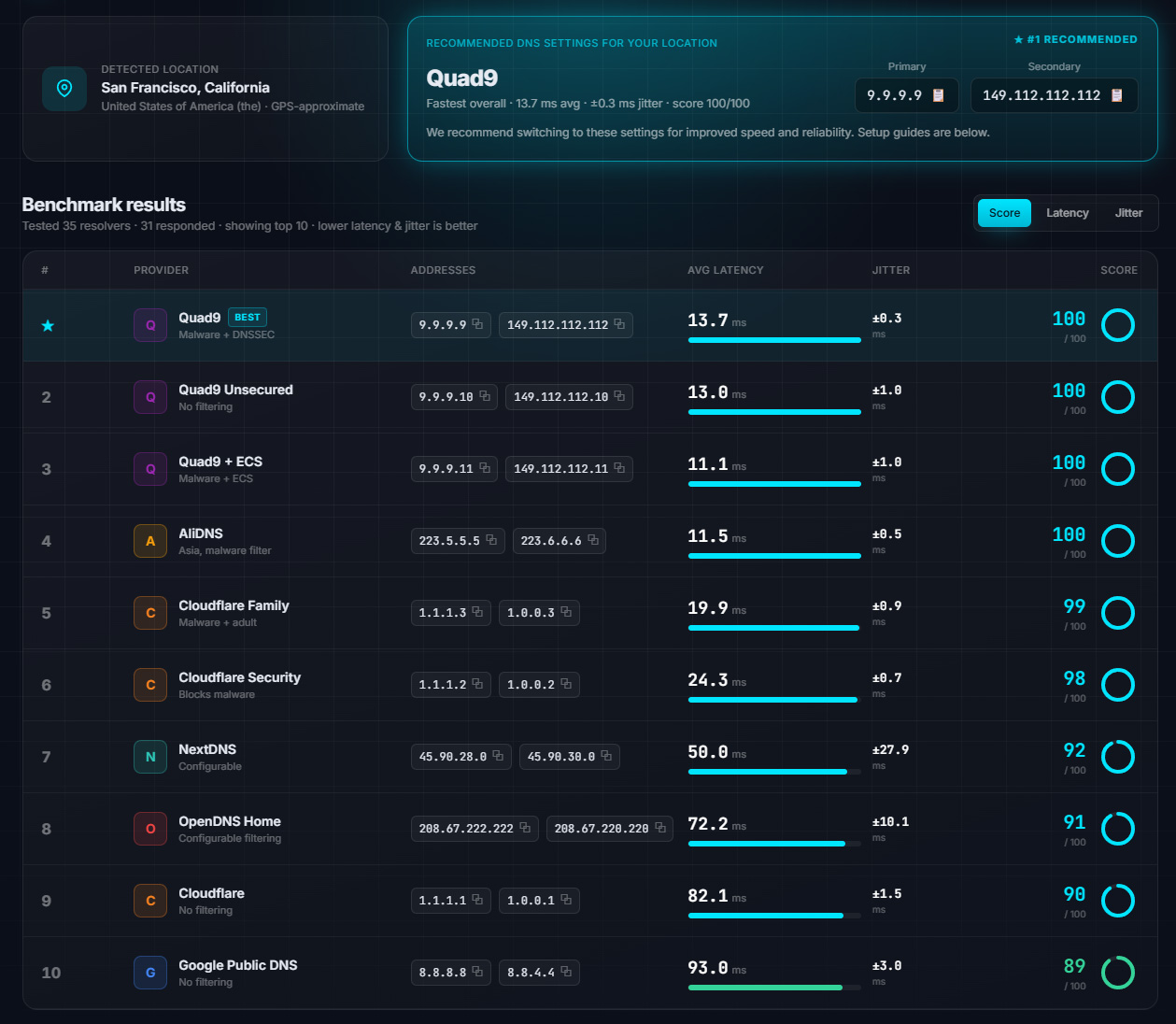
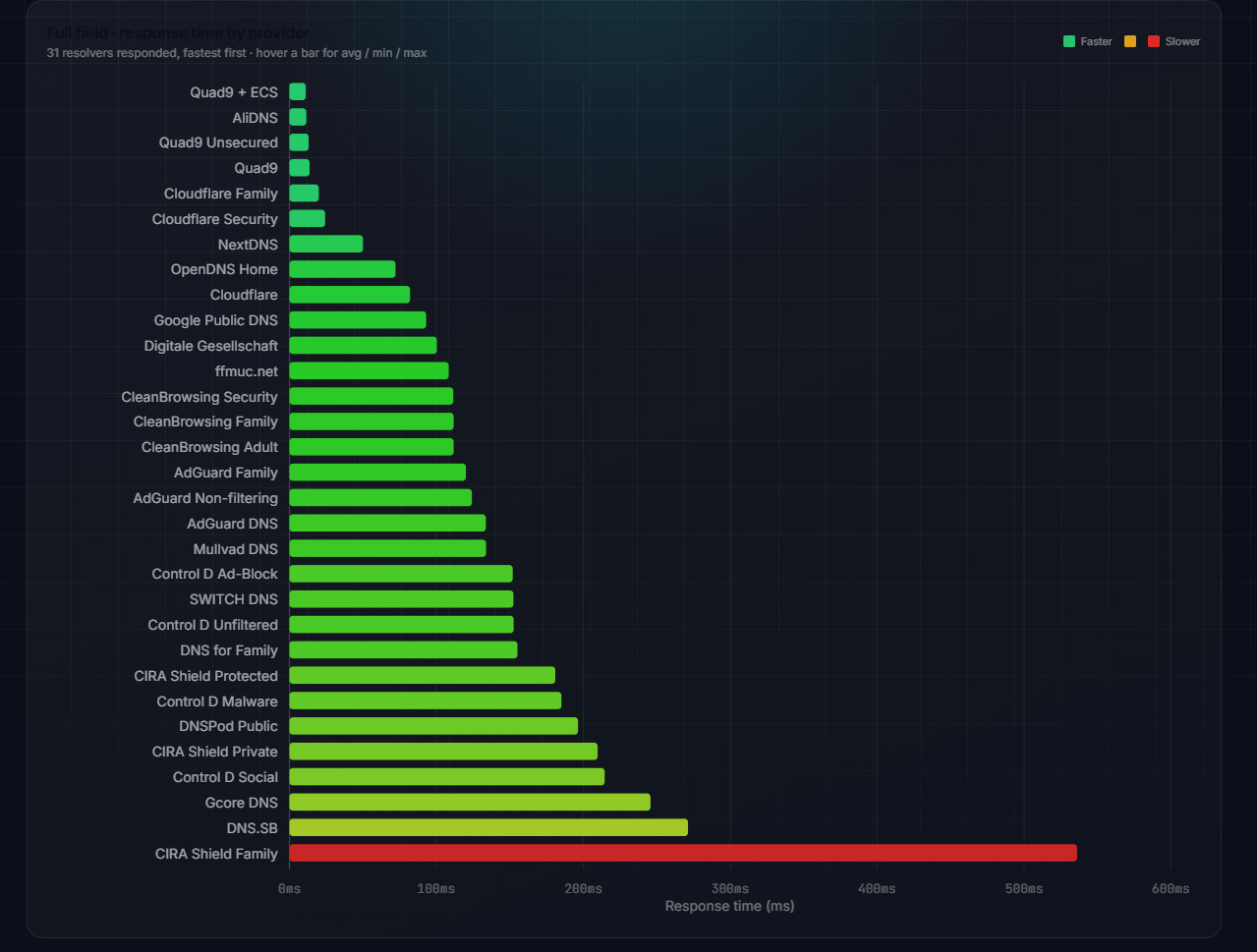
A mail gateway has an unusually short list of places it is supposed to talk to: SMTP on 25 and 587, DNS on 53, time on 123, and vendor updates on 443. That brevity is a gift to a defender, because anything outside the list is immediately interesting, and it is the one hunt that does not depend on logs the appliance may never have kept. It is also the piece that DNS over HTTPS can quietly erase, by collapsing name resolution into the same 443 traffic as everything else and removing the only cheap signal a short allowlist was ever going to give you.
The reason this matters beyond one vendor is the precedent sitting behind it. In 2023, UNC4841 exploited CVE-2023-2868 in the same product line as a true zero-day, and Barracuda's eventual instruction was that compromised appliances be replaced regardless of patch version level. Nobody is saying that now, and nothing ties the current pair to any named actor. But it is why the honest reading of this week's enterprise IT news is that the three-day deadline measures the easy half. Patching is a change window. Establishing that nothing came through before you patched is an investigation, and on this device it has to be run from the outside in.
Sources
- Barracuda — Pre-authentication authorization bypass and command injection vulnerabilities in certain Barracuda products
- watchTowr Labs — Barracuda Email Security Gateway pre-auth remote root RCE (CVE-2026-116606, CVE-2026-111560)
- ThreatDefence — Barracuda ESG CVE-2026-116606: patching and threat hunting
- Cyber Security News — Barracuda confirms active exploitation of email gateway flaws allowing root access
- The Hacker News — Experts demonstrate Barracuda Email Security Gateway chain enabling root access without login
- SecurityOnline — CISA adds six known exploited vulnerabilities, including the Barracuda chain
- SecurityOnline — Barracuda ESG vulnerability chain exploited in the wild after PoC release
Related articles
Browse every DNS news article by month →
DNS angle
Review resolver logs for the systems discussed above and compare unexpected names with your approved services. A successful lookup does not establish that a destination is safe. Use the DNS lookup tool to inspect current answers, then compare them with your own resolver and incident records.