Enterprise IT News
Enterprise IT News Alert: Third VeloCloud Zero-Day Exploited
By Nattapong Sukkasem · Published · Updated .
TL;DR — On 22 October, Arista disclosed CVE-2026-114625, a SQL injection flaw in VeloCloud Orchestrator rated 9.9 and already being exploited. The entry requirement is a working login with Enterprise Read Only — the weakest role the product issues — and the exit is a local superuser operator account over the whole orchestrator. It is the third exploited VeloCloud Orchestrator zero-day vulnerability in four months, and the patches for the first two sit below the new fixed builds. The reason this is significant enterprise IT news is not the injection: it is what an SD-WAN controller is allowed to push.
Most enterprise IT news about a maximum-severity flaw is a story about getting onto a box. This one is a story about what the box does for a living. VeloCloud Orchestrator (VCO) is the management plane for Arista's SD-WAN estate: the system that holds every tenant's business policy and distributes it to the edge devices sitting in branch offices, factories and retail sites. Arista's advisory, published on 22 October and tracked internally as BUG2043622, says the flaw “may allow a remote attacker to access privileged internal functionality and impact the VCO host”. Arista also says it is known to be actively exploited.

The lowest role in the product was enough
The preconditions are worth reading slowly. An attacker needs network access to the VCO web interface and a valid authenticated session. The minimum role that works is Enterprise Read Only, the least privileged built-in customer role in a multi-tenant product. No user interaction is required. From there, the injection yields the privileges of a local superuser operator — the top operator tier, with access to functionality marked internal-only.
That inversion is the whole story. Read-only accounts are the ones organisations hand out without a second thought: to a monitoring platform, to a managed service provider's NOC shift, to an auditor who asked for visibility, to the new network engineer on their first week. They are issued liberally precisely because they cannot change anything. CVE-2026-114625 turns the most widely distributed credential in the estate into operator-level control of the controller.
The two earlier flaws did not even ask for that. Both were exploitable without a login at all; this is the first of the three to require one, which is a strange sort of progress.
| CVE | Disclosed | Authentication | Status |
|---|---|---|---|
CVE-2026-16812 | July 2026 | None required | Reported by Arista as exploited |
CVE-2026-93952 | September 2026 | None required | Reported by Arista as exploited |
CVE-2026-114625 | 22 October 2026 | Enterprise Read Only | CVSS v3.1 9.9 · actively exploited |
Arista has not said when exploitation of the current flaw began, which orchestrators were reached, who found it, or whether anyone has been attributed. It has published two source addresses seen in attacks — 74.82.197[.]86 and 38.54.50[.]151 — with the usual caveat that they can change tomorrow. There is no public count of internet-facing orchestrators, and the vulnerable endpoint and parameter have not been described.

Patching in September does not cover you
The version table is the part that will catch people. The builds that fixed the July and September issues are numerically below the builds that fix this one. An orchestrator patched six weeks ago, by an administrator who ticked the box and moved on, is affected.
| Release train | Affected | Fixed in |
|---|---|---|
| 5.2 | Earlier than 5.2.3.18 (the September fix was 5.2.3.16) | 5.2.3.18 or later |
| 6.1 | Earlier than 6.1.3.10 | 6.1.3.10 or later |
| 6.4 | Earlier than 6.4.2.12 (the September fix was 6.4.2.8) | 6.4.2.12 or later |
| 7.0 and unlisted trains | Arista states unlisted releases are not vulnerable | — |
VeloCloud Gateway and VeloCloud Edge are not affected. Arista-hosted and Dedicated orchestrators were vulnerable but have been patched by the vendor — which is cloud security doing exactly what the model promises, and also why the remaining exposure is concentrated in on-premises installs, where somebody local has to act. End-of-support releases were not assessed at all; Arista directs those customers to its TAC.
One line in the advisory deserves more attention than it will get: the orchestrator interface is exposed by default, and no configuration setting removes that exposure. That is a design statement, not a footnote. It means the durable control here is network placement — who can reach the management interface at all — rather than which build number you are running this week.
An SD-WAN controller decides what every branch resolves with
Here is why a site that measures DNS server performance cares about a management-plane flaw in a vendor's orchestrator.
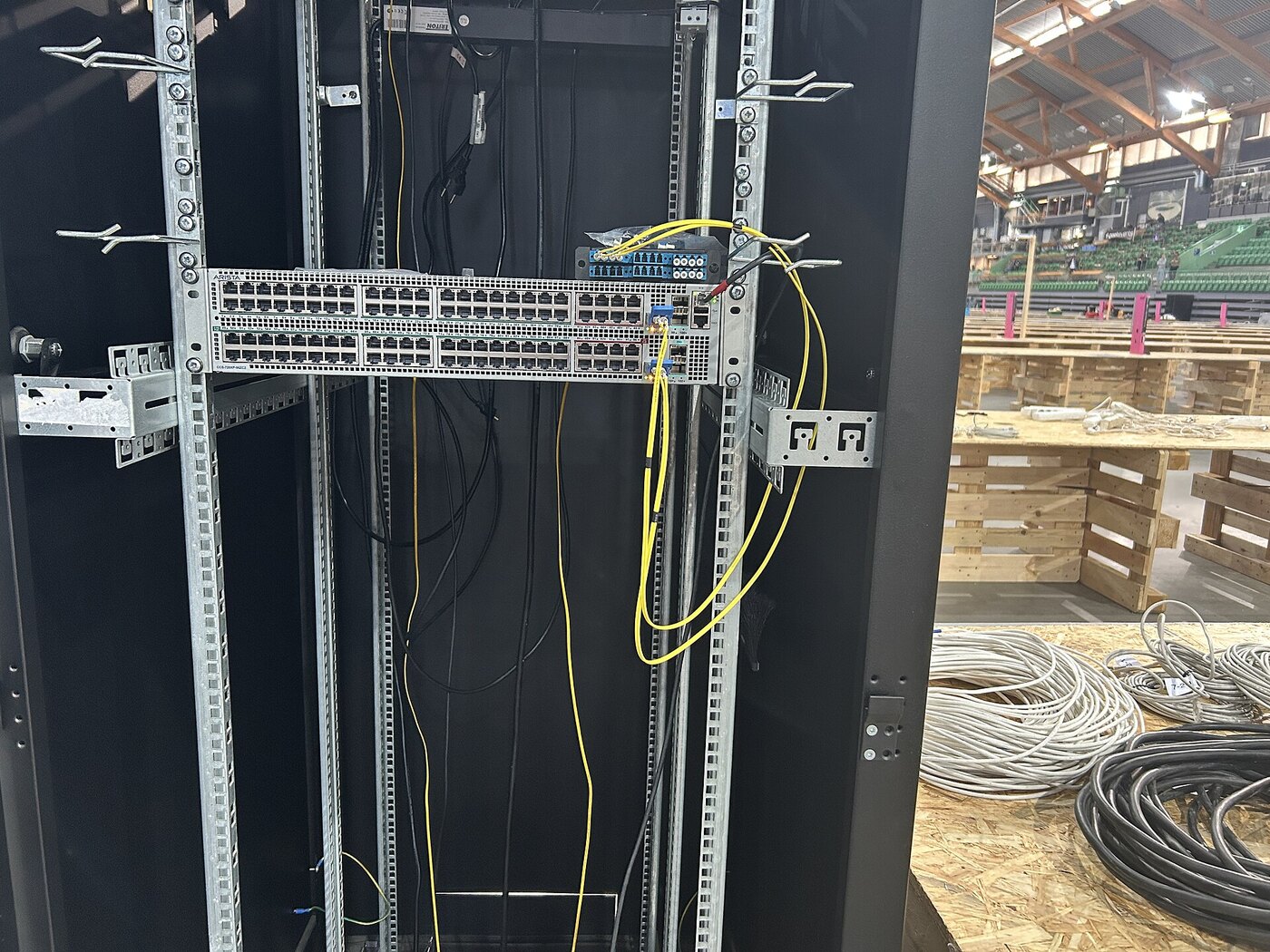
An SD-WAN edge device is not a router with opinions. It is an obedient endpoint that fetches its configuration from the orchestrator and applies it. That configuration includes application steering, path policy, segmentation — and name resolution. In practice the orchestrator holds which DNS servers each branch segment uses, which domains are conditionally forwarded to an internal resolver, and which traffic is classified by name before any path decision is made. Change those fields centrally and every branch adopts them on the next pull, with no malware, no lateral movement and no second exploit.
This is where the usual encryption advice runs out of road. DNS over HTTPS protects a query in transit from everyone except the server answering it; if the controller has quietly changed which server that is, encrypting the path to the attacker's resolver is not a mitigation, it is a convenience. The question an operator needs to answer after a management-plane compromise is not whether resolution was encrypted but which resolver each site is actually configured to use, compared against what the change record says it should be.
The push channel is the blast radius
Security teams are used to measuring an incident by how far an attacker travelled. A controller compromise breaks that instinct, because the attacker does not travel. The distribution is already built, already authorised, already scheduled, and already trusted by every device it reaches. A fleet-wide change arrives as a routine configuration push, signed off by the orchestrator's own identity, and lands in the change log looking like Tuesday.
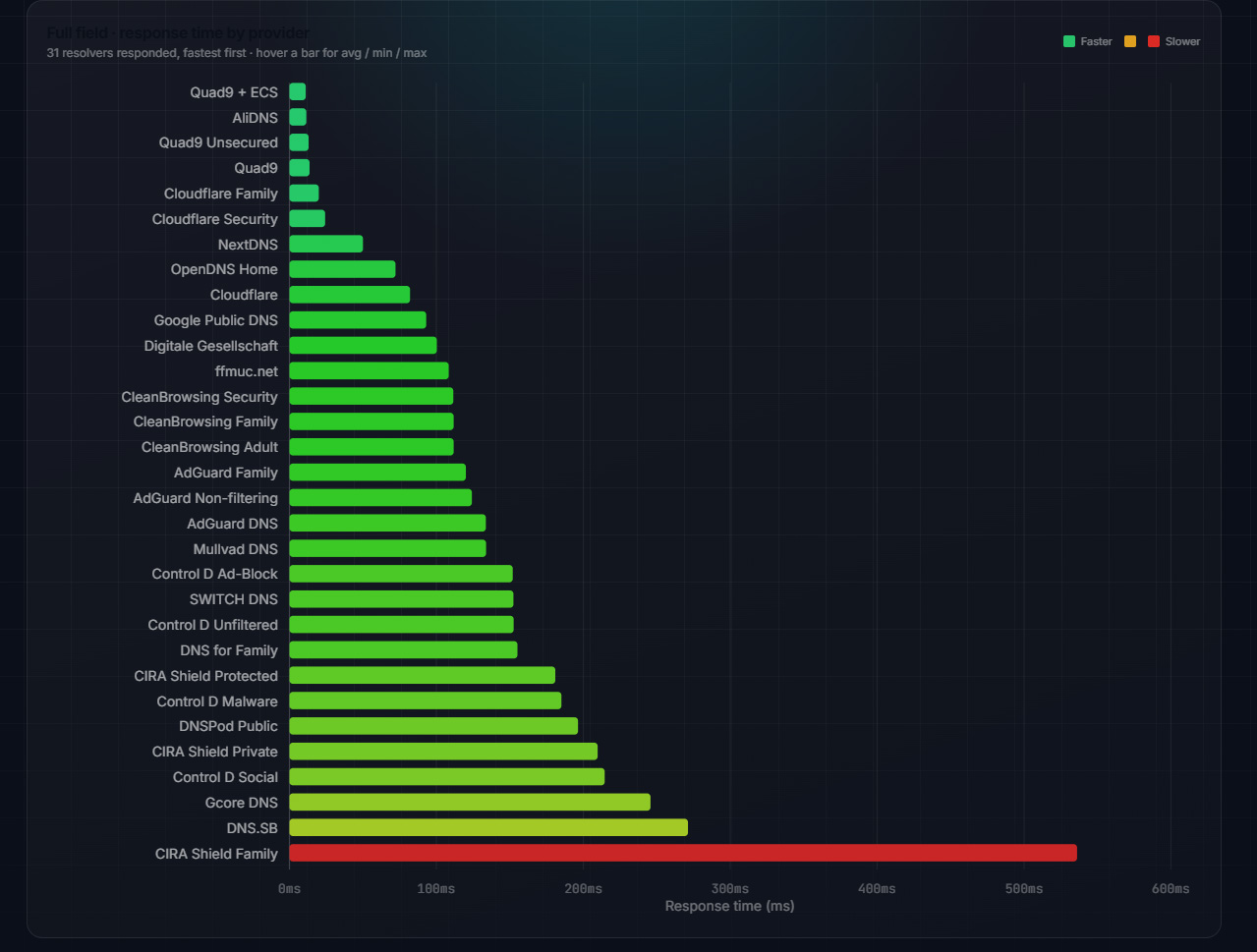
Compare the detection shape with the thing most server infrastructure monitoring is tuned for. A DDoS attack is survivable partly because an SD-WAN overlay exists — saturate one path and the policy engine steers around it, which is a large part of why the overlay was bought. What the overlay is not built to survive is a legitimate instruction from its own controller. Nor does this present as a network outage: branches stay up, tunnels stay established, dashboards stay green, and the latency figures that operations teams watch keep reporting a perfectly healthy network carrying perfectly redirected traffic.
The closest recent parallel on this site was the Ivanti Connect Secure zero-day chain on 15 October, where compromising one appliance meant owning resolution for everyone behind the tunnel. The VeloCloud case is the same lesson with a larger multiplier: the appliance serves the users behind it, while the orchestrator serves the appliances.
What to check this week
- Establish your actual build, not your patch date. Confirm the orchestrator is at 5.2.3.18, 6.1.3.10 or 6.4.2.12 or later. A September remediation ticket does not clear this one.
- Take the interface off the open internet. Since no setting removes the default exposure, restrict reachability to trusted administrative networks and treat that as the control rather than the stopgap.
- Search web access logs before you upgrade. Arista points to unusual URL-like path components, encoded characters, references to local or internal services, abnormally high request rates, and the two published source addresses.
- Preserve evidence first if anything looks wrong. Web, application, system and database logs plus file-system timestamps, captured before remediation — the advisory is explicit that upgrading is not an investigation.
- Audit every tenant account, starting at the bottom. Read-only, partner and dormant logins are the precondition here, so the IT security task is disabling stale access, not only rotating admin passwords.
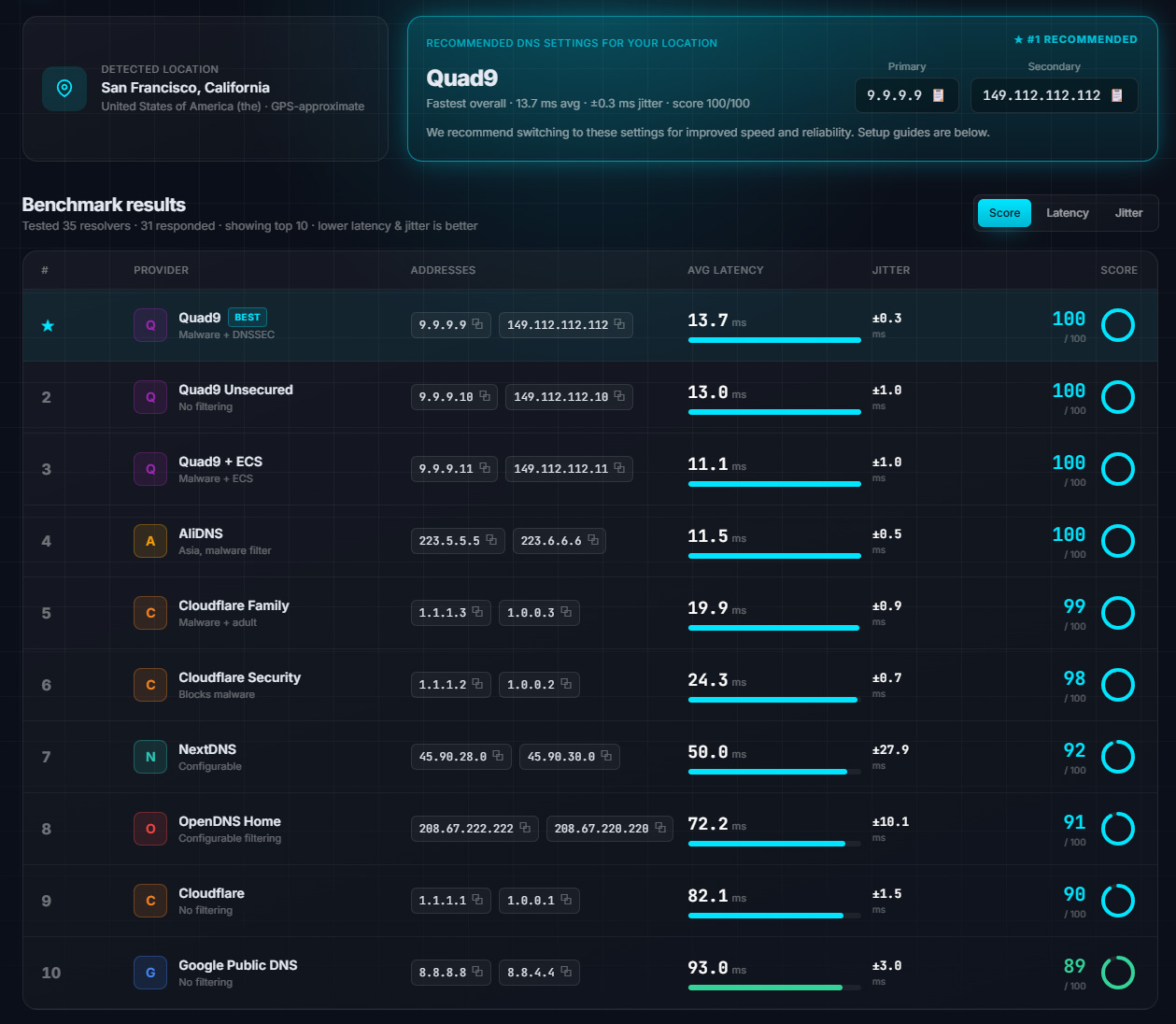
- Diff branch resolver configuration against the change record. Export DNS settings per segment and compare them with what was approved; a network diagnostic tool run from inside a branch will tell you what that site answers with today.
What it means
Three exploited zero-days in one web tier in four months is a pattern, and patterns tell you where attention is being spent. Someone is working on this product methodically, and the September build being superseded within six weeks suggests the surface has not been exhausted. Teams running on-premises VCO should plan for a fourth rather than treat this as the end of a run.
The broader point for enterprise IT news readers outside the Arista estate is that controllers have quietly become the most valuable hosts in enterprise networks, and they are rarely segmented like it. Whatever your vendor, the system that distributes configuration to hundreds of sites deserves the treatment a domain controller gets: restricted reach, separate credentials, scrutinised read-only roles, and alerting on configuration diffs rather than on uptime. The most instructive enterprise IT news of this cycle is not that an orchestrator had a SQL injection flaw. It is that a product designed to change a thousand networks at once worked perfectly while doing so.
Sources
- The Hacker News — Arista Warns of Critical VeloCloud SQL Injection Zero-Day Exploited in Attacks
- SecurityWeek — Attackers Exploit Third VeloCloud Orchestrator Zero-Day in Four Months
- Arista Networks — Security Advisory 0199 (CVE-2026-114625)
- SOCRadar — CVE-2026-114625: VeloCloud Orchestrator Flaw Exploited
- Aviatrix Threat Research — Arista VeloCloud CVE-2026-114625 SQL Injection Zero-Day Exploited
Related articles
Browse every DNS news article by month →
DNS angle
Review resolver logs for the systems discussed above and compare unexpected names with your approved services. A successful lookup does not establish that a destination is safe. Use the DNS lookup tool to inspect current answers, then compare them with your own resolver and incident records.
Source: The Hacker News — Arista Warns of Critical VeloCloud SQL Injection Zero-Day Exploited in Attacks ().